
Three landscaping estimates for the same yard can look like three different projects. One lists plant sizes and soil preparation, another gives a single number, and the third leaves out removal of the old lawn. Comparing them fairly means turning each into a list of the same items. This guide shows how, and what the final contract should contain.
Key takeaways
- The FTC says a written estimate should describe the work, materials, completion date and price.
- Compare estimates item by item: plant sizes, quantities, soil work, drainage and cleanup.
- The contract should include the contractor’s license number, dates, all promises and cancellation rights where they apply.
What a good estimate includes
The FTC advises that a written estimate include a description of the work to be done, the materials, a completion date and the price. For landscaping, useful detail includes plant names, sizes and quantities, the depth of mulch or soil, the type and thickness of paving base, irrigation components, and what happens to removed material.
Build a comparison table
Put each estimate in a simple spreadsheet or on paper with the same rows: site preparation, removal, soil and amendments, plants, hardscape, irrigation, lighting, mulch, cleanup, guarantee, schedule and payment terms. Blanks quickly show what one company left out.
Plant sizes matter
Plants are sold in many sizes, and the same plant can cost very different amounts depending on container size. A cheaper estimate may be using smaller plants, which take longer to fill in. That may be fine, but you should know.
Hidden differences
- Site preparation: removing sod, grading and soil work are often where estimates differ most.
- Drainage: some bids include it, others ignore it.
- Base material under patios: a thin base is cheaper but may settle.
- Disposal of old materials.
- Guarantees on plants and workmanship.
Estimate checklist
| Item | Questions to ask |
|---|---|
| Plants | Names, sizes, quantities |
| Soil | Testing, amendments, depth |
| Hardscape | Material, base depth, edging |
| Irrigation | Type, zones, controller |
| Cleanup | Removal and disposal included? |
| Guarantee | Length, conditions |
Do not automatically choose the lowest bid
The FTC advises not automatically choosing the lowest bidder and asking for an explanation when estimates differ significantly. A low bid may be efficient, or it may leave out work you will need later.
What the contract should include
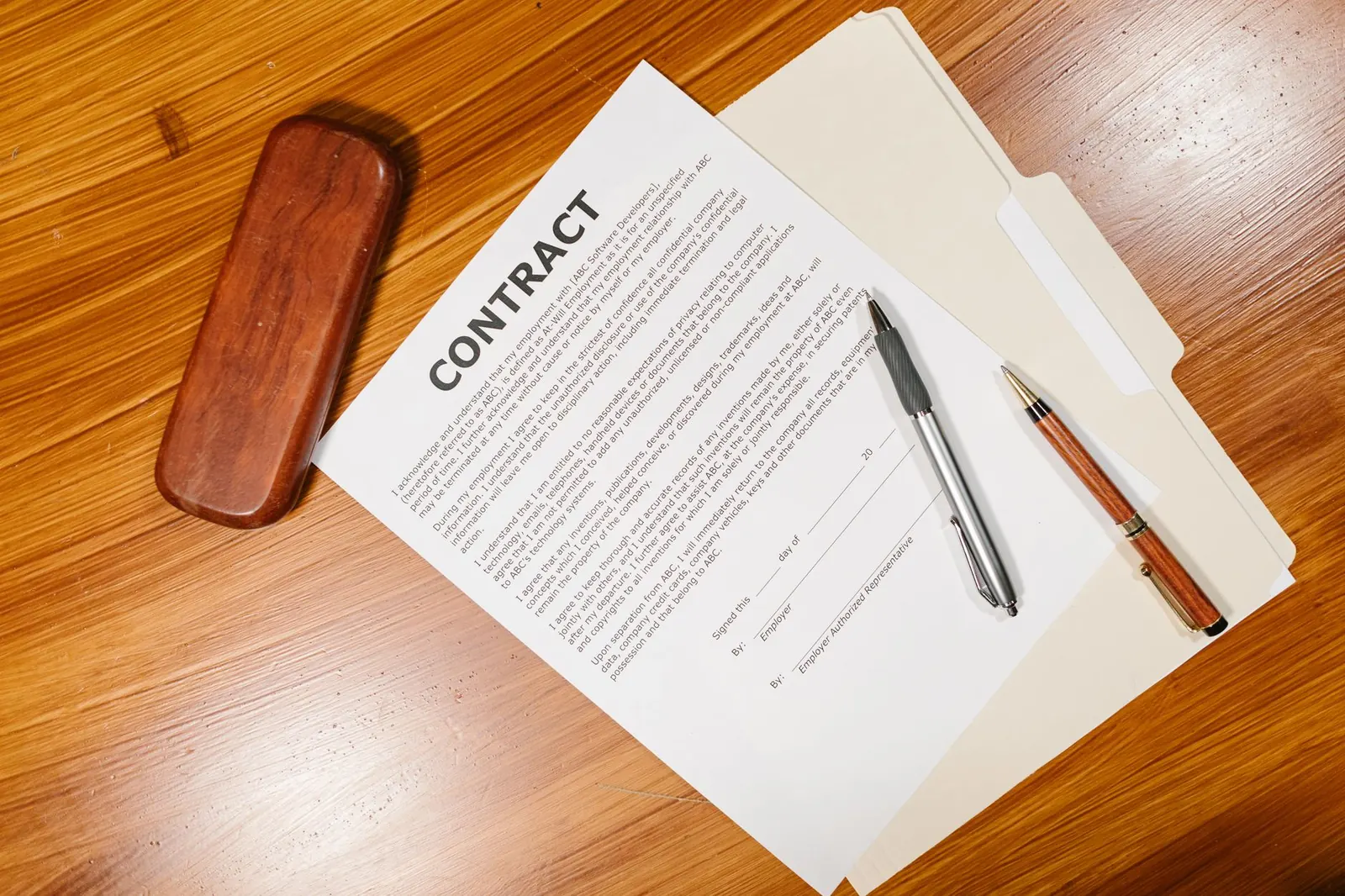
Contract requirements vary by state, but the FTC recommends asking for a written contract even where it is not required, and making sure it includes:
- The contractor’s name, address, phone number and license number.
- An estimated start and completion date.
- Any promises made in conversation, such as the scope of work and the cost of labor and materials.
- A written statement of your right to cancel within three business days, if you signed the contract in your home or at a location other than the seller’s permanent place of business.
Make sure all blank spaces are filled in before you sign.
Payment terms
The FTC advises not paying the full amount up front, noting that some states limit down payments, and never making the final payment until the work is done to your satisfaction. Tie payments to visible progress.
Tip: Ask each company to price the same simple list of options, such as “with and without the patio.” It makes the comparison fair and shows where each company’s costs really are.
Change orders
Plans change once work starts. The contract should say how changes are priced and approved. Insist that changes be written and signed before the extra work is done.
Which estimate fits
The best estimate is usually the one that describes the work clearly, matches what you asked for and comes from a licensed, insured company you trust. If the lowest bid is equally detailed and the company checks out, it may be the right choice.
Timing and scheduling terms
Spring is the busiest season for most landscapers, and start dates can slip. Look at how each estimate handles timing: a firm start window, a completion date and what happens if weather delays the work. Planting is often best done in cooler seasons, and some companies offer better scheduling in fall. If timing matters for an event, write the deadline into the contract rather than relying on a verbal promise.
Common mistakes
- Comparing totals instead of line items.
- Signing a contract with blank spaces.
- Agreeing to changes verbally.
- Paying the final amount before a walk-through.
Frequently asked questions
Should an estimate be free?
Many landscapers provide free estimates; detailed design plans are often charged. Ask before the visit.
What if estimates are very different?
Ask each company to explain its price, as the FTC suggests, and check what is included.
Do I have a right to cancel?
The FTC notes a three-business-day right to cancel for contracts signed in your home or away from the seller’s place of business.
See Questions to Ask a Landscaper Before You Sign before the next site visit.