
A rain garden turns a drainage problem into a planting. Instead of sending roof and driveway water straight to the street, a shallow planted basin collects it and lets it soak into the ground. EPA describes rain gardens as a cost-effective and attractive way to reduce runoff. This guide covers how they work and how to plan one.
Key takeaways
- A rain garden is a shallow, planted depression that collects runoff and lets it soak in.
- It should be placed away from the house foundation and where soil drains.
- Check for underground utilities before digging.
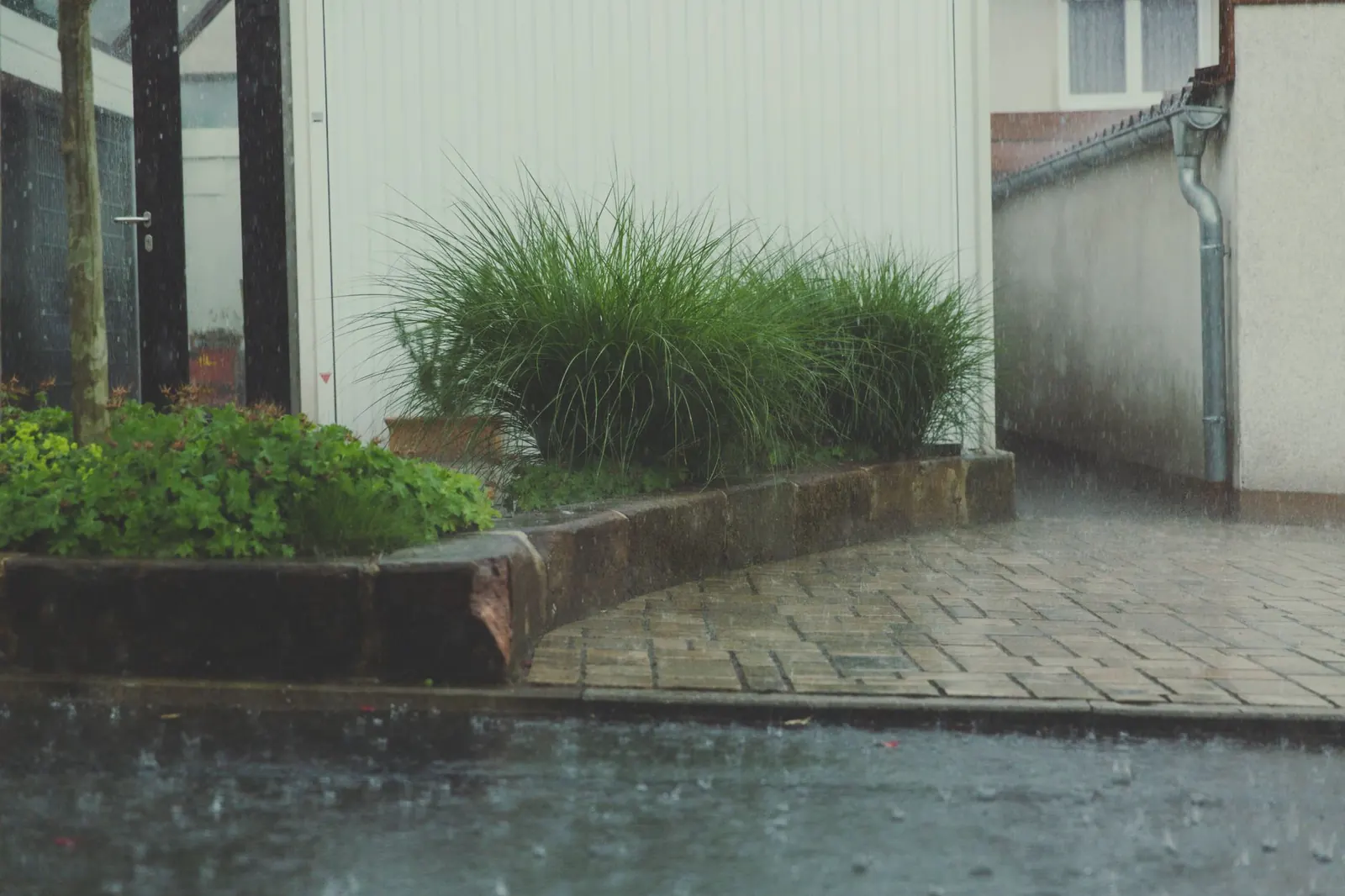
What a rain garden is
According to EPA, a rain garden is a depressed area in the landscape that collects rainwater from a roof, driveway or street and allows it to soak into the ground. Planted with grasses and flowering perennials, it can reduce runoff from your property, help filter pollutants and provide food and shelter for butterflies, songbirds and other wildlife.
Where to put it
Place the rain garden where water naturally flows or where a downspout can be directed to it. Keep it a safe distance from the house foundation so water does not seep toward the basement. Avoid spots over septic systems and places where water already stands for days, since a rain garden needs soil that drains. EPA also stresses getting accurate information about underground utilities before you dig; see Call 811 Before You Dig: What Homeowners Need to Know.
Test drainage
Dig a test hole and fill it with water. If it drains within a day or so, the spot is usually suitable. If water stands much longer, the soil may be too heavy without amendment, or the spot may be better for wetland plants than a rain garden.
Size and shape
Rain gardens are usually shallow, a few inches to under a foot deep, and sized in relation to the roof or paved area draining into them. Many state and university guides linked from EPA’s Soak Up the Rain pages offer sizing methods and calculators.
Plants
Choose plants that tolerate both brief flooding and dry spells, since a rain garden alternates between the two. Native plants are commonly recommended. The center, which stays wet longest, suits plants that like moisture; the edges suit plants that prefer drier soil.
Rain garden steps at a glance
| Step | What to do |
|---|---|
| Site | Where water flows, away from the foundation |
| Utilities | Contact 811 before digging |
| Drainage test | Water should soak in within about a day |
| Size | Relate to the area draining into it |
| Plants | Tolerant of wet and dry, often native |
| Mulch | Shredded mulch that stays in place |
Building it
Mark the outline, remove turf, dig a shallow basin with a level bottom, and use the soil to form a low berm on the downhill side. Amend the soil if needed, plant, then mulch. Direct the downspout or runoff into the garden with a swale, pipe or rock-lined channel, and add stone where water enters to prevent erosion.
Tip: Watch where water goes during a heavy rain before choosing the spot. Rain gardens work best where water already wants to flow.
Maintenance
Water new plants until established, weed in the first seasons, and check after big storms for erosion at the inlet. Refresh mulch as needed. Once plants fill in, maintenance is usually similar to any perennial bed.
Which approach fits
A simple rain garden is a reasonable DIY project for many homeowners. For larger areas, steep slopes, poor soils or complex drainage, a landscaper experienced in stormwater work can help. More complex systems with drainage pipes and engineered soils are often called bioretention.
Costs and help
A small rain garden built by a homeowner mainly costs plants, mulch and effort. Some cities, counties and conservation districts run programs that offer design help, plant lists or cost-sharing for rain gardens because they reduce stormwater runoff. The state and university resources linked from EPA’s Soak Up the Rain pages are a good place to look for programs and guides near you.
Common mistakes
- Placing it too close to the house.
- Choosing a spot where water already stands for days.
- Digging without having utilities marked.
- Planting only water-loving plants.
Frequently asked questions
Does a rain garden hold standing water?
It should drain within a short time after rain. Long-standing water suggests poor soil drainage.
Do rain gardens attract mosquitoes?
A well-sited rain garden usually drains within a day or two, which is generally too short for mosquitoes to develop. Standing water for many days is a sign to fix drainage.
What plants go in a rain garden?
Plants that tolerate both wet and dry periods, often natives suited to your region.
See Rain Barrels: A Homeowner’s Guide to Collecting Roof Water for another way to use roof water.