
The right grass for a lawn depends mostly on climate, then on sun, traffic and how much water and care you plan to give it. A grass that thrives in one region can struggle a few hundred miles away. This guide explains the two main groups of lawn grasses and how to narrow the choice for your yard.
Key takeaways
- Cool-season grasses grow most in spring and fall; warm-season grasses grow most in summer heat.
- Shade, foot traffic and water availability narrow the choice within each group.
- Your cooperative extension service publishes grass recommendations for your region.
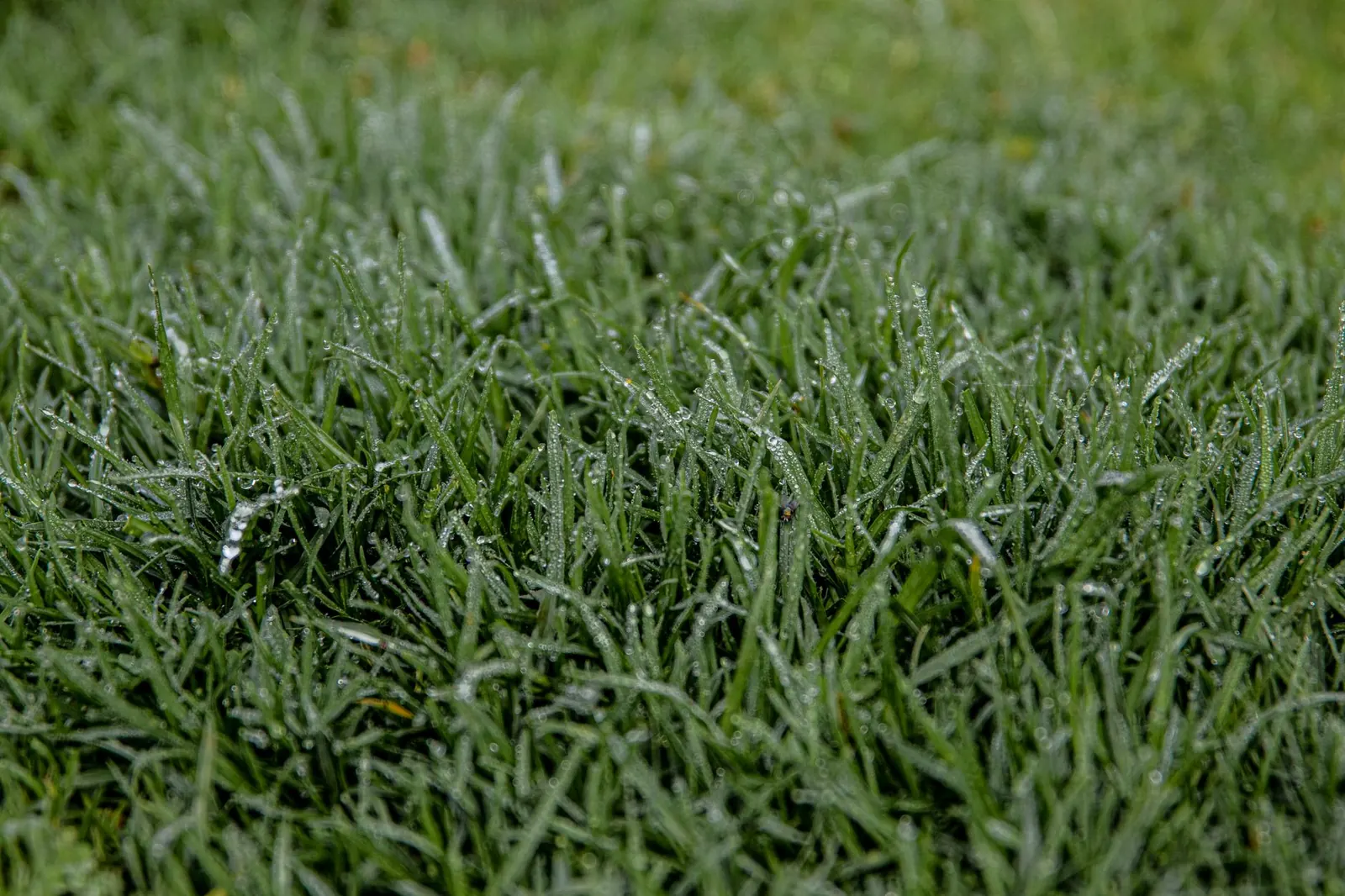
The two main groups
Lawn grasses in the United States are usually divided into cool-season and warm-season types. Cool-season grasses grow best in the moderate temperatures of spring and fall and are common in the northern half of the country. Warm-season grasses grow best in hot summers and often go dormant and brown in winter; they are common in the South. Between the two lies a transition zone where either group can struggle at times.
Cool-season grasses
Cool-season lawns stay green for much of the year in cooler climates. Many can go dormant during hot, dry summers unless watered. They are usually seeded or overseeded in late summer or early fall, when soil is warm and air is cooling. Common examples include fescues, bluegrasses and ryegrasses, each with different tolerance for shade, traffic and drought.
Warm-season grasses
Warm-season lawns thrive in heat and often handle drought better once established. They are commonly planted from sod, plugs or sprigs in late spring and early summer, although some can be seeded. Many turn tan in winter dormancy, which some homeowners accept and others cover by overseeding. Common examples include Bermuda, zoysia, St. Augustine and centipede grasses.
Sun and shade
Most lawn grasses prefer full sun. Some cool-season fescues and certain warm-season grasses tolerate more shade than others, but deep shade under trees is a hard place for any lawn. In heavily shaded spots, groundcovers or mulched beds often work better; see Lawn Alternatives: Groundcovers, Meadows and Planting Beds.
Traffic and use
Lawns used by children and pets need grasses that tolerate wear and recover quickly. Some grasses spread by runners and repair themselves; others grow in clumps and need overseeding when thin. Think about where people actually walk and whether a path would serve better than turf.
Grass groups at a glance
| Cool-season | Warm-season | |
|---|---|---|
| Peak growth | Spring and fall | Summer |
| Winter | Often stays green in mild weather | Often dormant and tan |
| Typical planting | Seed in late summer or early fall | Sod or plugs in late spring and summer |
| Common regions | North and higher elevations | South and warm regions |
Water needs
All lawns need water to stay green in dry weather. EPA’s WaterSense program says a landscape typically needs about one inch of water a week, including rainfall, though this varies by location, weather and plants. Grasses that tolerate drought can reduce watering but may go dormant in long dry spells. See Watering Your Lawn the Smart Way: When, How Often and How Long.
How to choose
- Identify your region’s recommended grasses through your cooperative extension service.
- Map sun and shade in the lawn area across the day.
- Decide how much traffic the lawn will get.
- Decide how much watering and mowing you are willing to do.
- Test the soil if the lawn has struggled before.
Tip: Ask your cooperative extension office about soil testing before planting a new lawn. Knowing the soil’s pH and nutrients helps you avoid adding fertilizer or lime you do not need.
Seed, sod or plugs
Seed is the least expensive option but takes longer to establish and needs consistent moisture. Sod gives an instant lawn but costs more and needs careful watering until roots take hold. Plugs and sprigs fall in between for spreading grasses. Your choice depends on budget, season and grass type.
Which grass fits
If you live in a cool climate and want green through spring and fall, a cool-season blend suited to your sun is the usual choice. In hot climates, a warm-season grass suited to your shade and traffic is typical. In the transition zone, local advice matters most, because both groups have trade-offs.
Common mistakes
- Choosing a grass from another region’s recommendations.
- Seeding at the wrong time of year.
- Expecting any lawn to thrive in deep shade.
- Ignoring how much water the grass will need in summer.
Frequently asked questions
When should I plant grass seed?
For cool-season grasses, late summer to early fall is usually best. Warm-season grasses are usually planted in late spring or early summer.
Why does my lawn turn brown in winter?
Warm-season grasses often go dormant in cold weather. They usually green up again in spring.
What grass grows in shade?
Some grasses tolerate partial shade better than others, but deep shade is difficult for any lawn.
Also read Lawn Care Service vs Doing It Yourself.