
Many homeowners are shrinking their lawns. Some want to mow less, some want to water less, and some want more flowers, birds and butterflies. Replacing part of the lawn does not mean losing a usable yard; it means putting turf where it earns its place and using other options elsewhere. This guide compares the main alternatives.
Key takeaways
- Keep lawn where you use it, such as play areas and paths, and replace it where you do not.
- Groundcovers, planting beds and meadows each need different care, especially in the first year.
- Choose alternatives suited to your sun, soil and region, often with native plants.
Why replace lawn
Lawns need mowing, often watering and sometimes fertilizing. In areas nobody walks on, such as steep slopes, narrow side yards and deep shade, lawns often look thin and take extra effort. Replacing those areas with plants suited to the conditions can reduce maintenance and water use. EPA’s WaterSense program encourages water-smart landscapes that use plants suited to local conditions.
Groundcovers
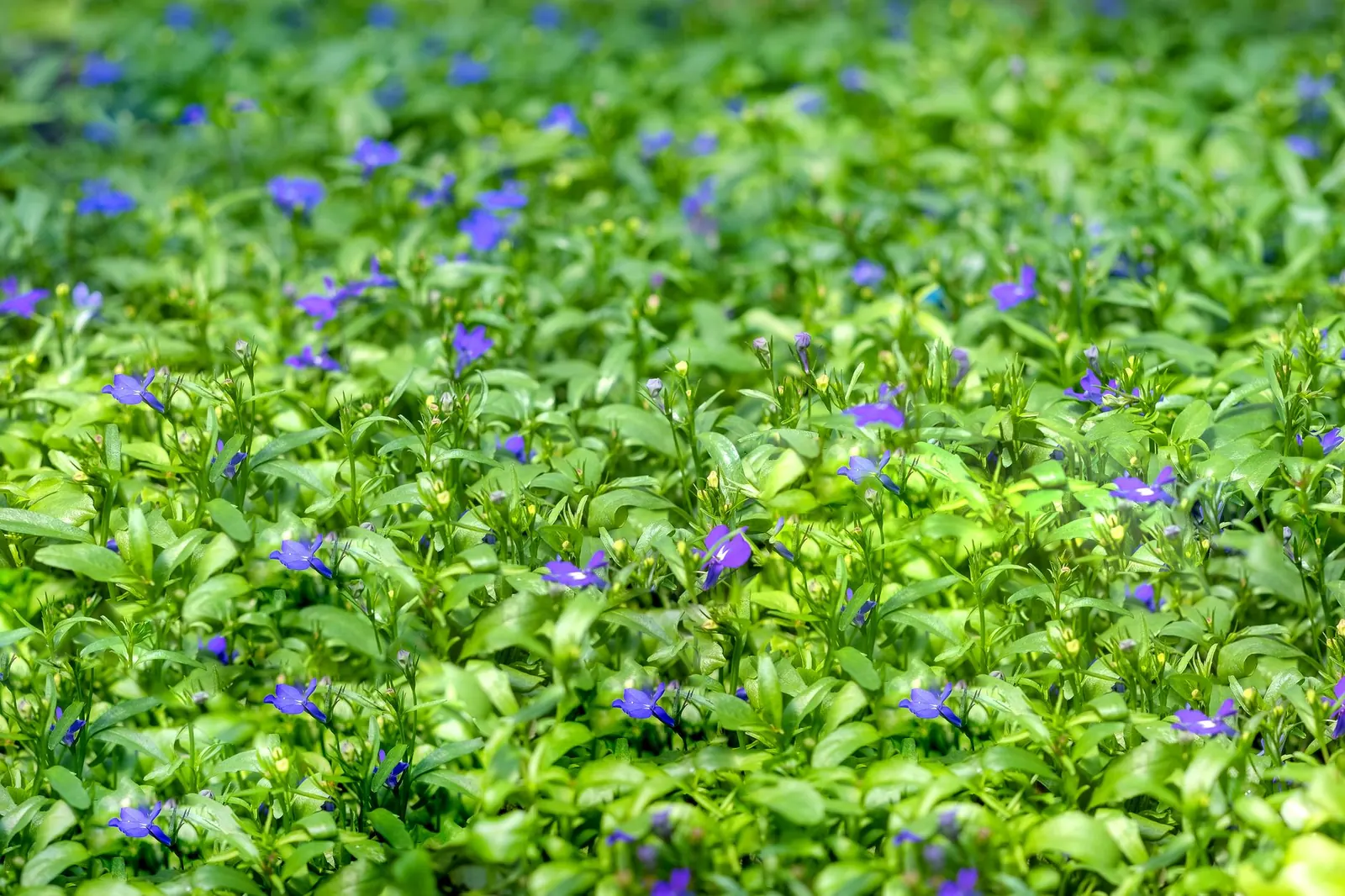
Low, spreading plants can cover soil in places where grass struggles, such as shade under trees or slopes. Some tolerate light foot traffic. Choose groundcovers suited to your conditions and check that they are not invasive in your state. They usually need weeding and watering until they fill in.
Planting beds
Converting part of the lawn to beds of shrubs and perennials, mulched between plants, adds structure and color. Beds need planting, mulch renewal and some weeding, but less frequent attention than weekly mowing. Group plants with similar water needs.
Meadows and prairie-style plantings
In sunny, open areas, native grasses and wildflowers can create a meadow-like planting that supports pollinators. These take time to establish and look best with a tidy edge or mowed path. They usually need an annual cutback rather than weekly mowing.
Hardscape and gravel
Patios, paths and gravel gardens remove the need for mowing entirely in some areas. Permeable options, such as gravel or permeable pavers, allow rain to soak in rather than running off. See Patio Materials Compared: Pavers, Concrete, Natural Stone and Gravel.
Alternatives at a glance
| Alternative | Best for | Main care |
|---|---|---|
| Groundcover | Shade, slopes | Weeding until established |
| Planting beds | Structure and color | Mulch, some pruning |
| Meadow | Sunny open areas | Annual cutback |
| Gravel or patio | Seating, paths | Occasional weeding |
| Clover or low-mow mixes | Casual lawns | Less frequent mowing |
Getting rid of the old lawn
Common methods include removing sod with a sod cutter, smothering it with cardboard and mulch for several months, or digging it out. Each has trade-offs in labor and time. Before digging deeply or using a machine, contact 811 to have utilities marked; see Call 811 Before You Dig: What Homeowners Need to Know.
Tip: Start with the part of the lawn you like least, such as a hard-to-mow slope or a thin, shady patch. A smaller first project shows how an alternative works in your yard before you commit to more.
Rules and neighbors
Homeowners associations and some towns have rules about yard appearance, plant height or lawn coverage. Check before converting a front lawn. Clear edges, paths and signs of care help plantings read as intentional.
Which alternative fits
If you want less mowing in shade, groundcovers or mulched beds usually work best. If you want pollinators in a sunny area, a native meadow or perennial bed fits. If you want outdoor living space, a patio or gravel area may be the best use. Keep lawn where children play or pets run.
Establishment takes time
Most alternatives look sparse in the first season. Water new plantings regularly until they are established, keep weeds down and add mulch between plants. The payoff comes in the second and third years as plants fill in. Native plantings in particular often spend their first year growing roots; see Native Plants for Your Yard: Why They Help and How to Choose Them.
Hiring help for a conversion
Large conversions, especially on slopes or with new paths and edging, can be a good job for a landscaper. Ask how they will remove the lawn, what they will do with the soil and sod, how they will control weeds in the first season and which plants they suggest for your conditions. Compare their plant list against your state’s native and invasive lists. See Questions to Ask a Landscaper Before You Sign.
Common mistakes
- Removing all lawn, including areas you use.
- Planting groundcovers that turn invasive.
- Skipping weed control in the first year.
- Forgetting HOA rules.
Frequently asked questions
What is the lowest-maintenance lawn alternative?
It depends on conditions. Mulched beds of shrubs suited to your site are often among the easiest once established.
Can I walk on groundcovers?
Some tolerate light traffic, but most are not as durable as turf. Use stepping stones for paths.
How do I remove grass without chemicals?
Sod cutting, digging or smothering with cardboard and mulch are common methods.
For planning the whole yard, see Landscape Design Basics for Homeowners.