
Native plants are species that grew in your region before modern landscaping introduced plants from elsewhere. Planting them has become popular with homeowners who want lower-maintenance yards and more birds and butterflies. This guide explains the benefits, the limits and how to find natives suited to your yard.
Key takeaways
- Native plants are adapted to local climate and soil, which often means less watering once established.
- They support local insects and birds that evolved with them.
- “Native” is regional: a plant native to one part of the country may not suit another.
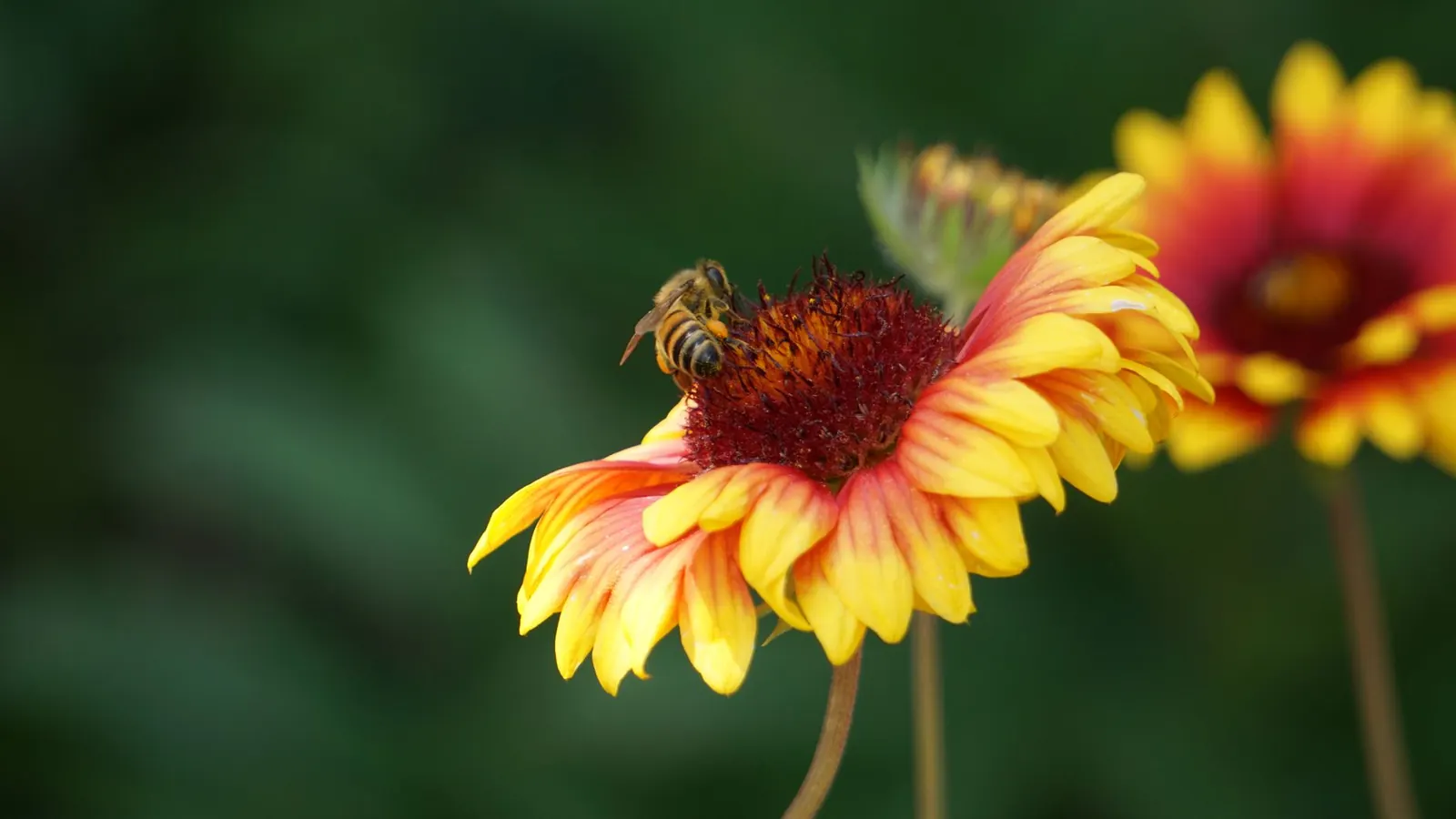
What counts as native
A native plant is one that occurs naturally in a particular region. “Native to the United States” is too broad to be useful, since the country spans deserts, prairies, forests and wetlands. Look for plants native to your state or ecological region, and ideally to conditions like your yard’s.
Why homeowners choose them
Plants suited to local conditions usually need less supplemental water and fertilizer once established. EPA’s WaterSense program notes that areas differ in their ability to support plant species without supplemental water and fertilizers, and it links to state and regional plant lists to help homeowners choose plants appropriate for their location. Native plants also provide food and shelter for local insects and birds; many caterpillars feed on specific native plants.
Natives still need care
“Native” does not mean “no maintenance.” New plants need regular watering until their roots establish. Weeds need controlling while plants fill in. Some natives spread vigorously. And a native plant in the wrong spot, such as a dry-prairie plant in wet clay, will still struggle.
How to find the right natives
- Start with your USDA hardiness zone and your yard’s sun, soil and moisture.
- Use state plant lists from your cooperative extension service or state native plant society.
- Look at EPA WaterSense’s What to Plant page, which links to state and nationwide lists.
- Visit native plant sales and demonstration gardens in your area.
- Ask local nurseries which plants are native to your region, not just “native to North America.”
Native plant choices at a glance
| Yard condition | What to look for |
|---|---|
| Full sun, dry | Prairie or dryland natives |
| Shade | Woodland natives |
| Wet spots | Wetland and rain garden natives |
| Slopes | Deep-rooted natives and groundcovers |
| Small yards | Compact shrubs and perennials |
Mixing native and non-native plants
Many yards mix both, and that is fine. A practical approach is to use natives for the larger share of plantings, especially shrubs and perennials, and keep favorite non-natives where they work well. Avoid plants listed as invasive in your state; your state agriculture or natural resources agency usually publishes a list.
Tip: Plant in groups of three, five or more of the same native plant. Drifts look more intentional than scattered single plants, and they are easier for pollinators to find.
Natives and lawns
Replacing part of a lawn with native plantings is one of the most common changes homeowners make. It can reduce mowing and watering. See Lawn Alternatives: Groundcovers, Meadows and Planting Beds.
Which approach fits
If you want lower water use and more wildlife, start with a single native bed in a sunny spot and learn how it behaves. If you have a wet area, a rain garden planted with natives can solve a drainage problem at the same time; see Rain Gardens for Homeowners: Turning Runoff Into a Garden.
HOAs and local rules
Some homeowners associations and towns have rules about yard appearance or plant height. A tidy edge, a path and a clear border often make native plantings read as intentional. Check your rules before replacing a front lawn.
Planting and establishment
Plant natives the way you would any perennial or shrub: dig a hole as deep as the root ball and wider than it, set the plant at the same depth it grew in the pot, water well and mulch lightly, keeping mulch away from stems. Water regularly through the first growing season. Many natives spend their first year growing roots rather than top growth, so patience matters; the planting often fills in noticeably in the second and third years.
Common mistakes
- Choosing plants native to a different region.
- Skipping watering during establishment.
- Planting single specimens scattered across a bed.
- Buying invasive plants by mistake.
Frequently asked questions
Do native plants need watering?
Yes, especially in the first season. Once established, many need less supplemental water.
Are native plants low maintenance?
Often lower than alternatives, but they still need weeding, some pruning and the right location.
Where can I find native plant lists?
Your cooperative extension service, state native plant society and EPA WaterSense’s What to Plant page.
For the zone basics, see USDA Plant Hardiness Zones Explained: Choosing Plants That Survive Your Winters.