
An irrigation system can save hours with a hose, but the wrong system, or a badly set one, wastes water and harms plants. Sprinklers and drip irrigation each have a place. This guide compares them and covers the maintenance advice from EPA’s WaterSense program.
Key takeaways
- Sprinklers suit lawns; drip suits beds, shrubs, trees and containers.
- Many yards use both, on separate zones.
- Inspect, connect, direct and select: WaterSense’s four steps for a sprinkler tune-up.
How sprinklers work
Sprinkler systems spray or rotate water over an area. They are the usual choice for lawns, where water needs to cover the whole surface. Different sprinkler heads suit different areas: spray heads for small areas, rotors for larger lawns. Sprinklers lose some water to wind and evaporation and can overspray onto paving if poorly adjusted.
How drip works
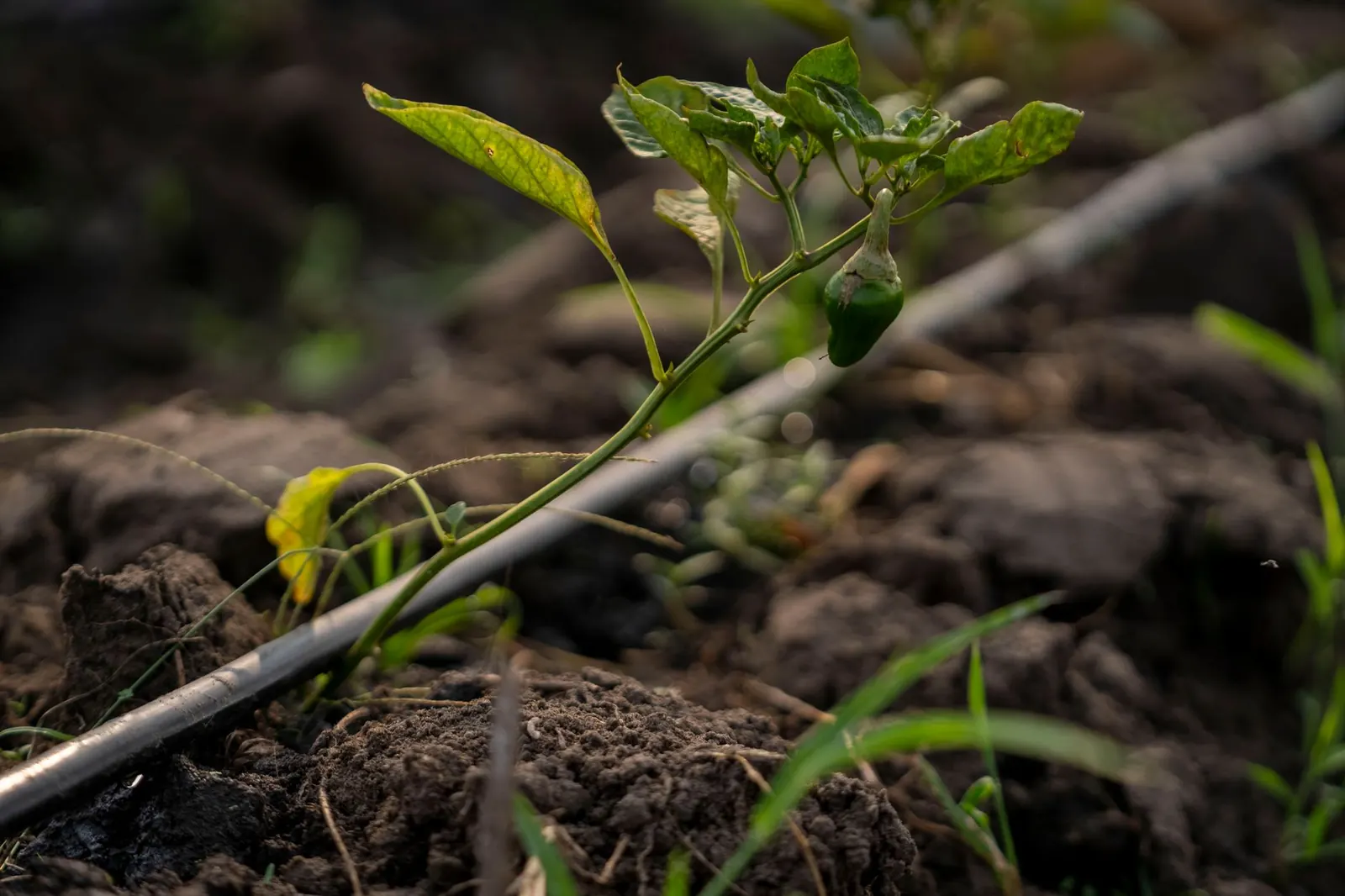
Drip irrigation delivers water slowly through tubing and emitters directly to the soil near plant roots. Little water is lost to evaporation or runoff, and leaves stay dry, which can reduce some plant diseases. Drip suits planting beds, shrubs, trees, vegetable gardens and containers. It is less suited to lawns.
Zones
Irrigation systems are divided into zones, each controlled by a valve. Good design puts plants with similar water needs on the same zone and keeps lawns and beds on separate zones. This matches the water-wise principle of grouping plants by needs; see Water-Wise Landscaping: Xeriscaping Basics for Any Region.
Controllers
WaterSense labeled irrigation controllers use local weather data or soil moisture to adjust schedules automatically. They can reduce overwatering compared with a timer that runs the same schedule regardless of weather. Some utilities offer rebates.
Drip vs sprinkler at a glance
| Sprinkler | Drip | |
|---|---|---|
| Best for | Lawns | Beds, shrubs, trees, containers |
| Water loss | Some to wind and evaporation | Low |
| Leaves | Get wet | Stay dry |
| Visibility | Heads visible when running | Tubing usually under mulch |
| Maintenance | Adjust and clean heads | Check emitters and tubing |
WaterSense’s Sprinkler Spruce-Up
EPA WaterSense sums up sprinkler maintenance in four steps:
- Inspect: look for broken, tilted or missing heads and heads that do not pop up fully.
- Connect: check joints and valves for leaks; pooling between cycles may signal an underground leak.
- Direct: point sprinklers at the landscape, not the driveway or sidewalk, with head-to-head coverage.
- Select: consider a WaterSense labeled controller.
Drip maintenance
Flush lines at the start of the season, check for clogged or missing emitters, and repair tubing damaged by digging or animals. A filter and pressure regulator at the start of a drip zone protect the system.
Tip: Before installing a new irrigation system, contact 811 to have utilities marked. Trenching for irrigation lines is exactly the kind of digging that hits buried cables.
DIY or professional
Drip kits for beds and containers are manageable for many homeowners. Full in-ground systems involve backflow prevention, valves, wiring and local rules, and often a licensed installer. WaterSense points homeowners to irrigation professionals certified through WaterSense labeled programs. See How to Hire a Landscaper: A Step-by-Step Guide for Homeowners.
Which system fits
If most of your yard is lawn, sprinklers with a smart controller are typical. If your yard is mainly beds, trees and containers, drip is usually more efficient. Mixed yards often use both, on separate zones.
Seasonal care in cold climates
In regions where the ground freezes, irrigation systems need winterizing: shutting off the water supply and draining or blowing out the lines so trapped water does not freeze and crack pipes and heads. Many homeowners hire an irrigation company for this each fall and for the spring start-up, when the system is refilled and each zone is checked. Drip systems also need draining and, in some cases, bringing indoor components inside.
Rain sensors and schedules
Even without a smart controller, a rain sensor can stop a scheduled cycle after rain. Adjust schedules seasonally: plants need less water in spring and fall than in peak summer. A controller left on its summer settings through a cool, wet autumn is one of the most common sources of wasted water.
Common mistakes
- Running lawns and beds on one zone.
- Letting sprinklers spray paving.
- Ignoring leaks and broken heads.
- Using a fixed timer through rainy weeks.
Frequently asked questions
Can I use drip on a lawn?
It is uncommon; sprinklers or subsurface systems designed for turf are more typical.
What is head-to-head coverage?
Each sprinkler reaches the next head, giving even coverage, as WaterSense recommends.
Who should install an in-ground system?
Systems with backflow prevention, valves and wiring are often installed by licensed professionals. WaterSense points homeowners to irrigation professionals certified through WaterSense labeled programs.
Do smart controllers really help?
WaterSense labeled controllers adjust to weather or soil moisture, which can prevent watering when it is not needed.
See Watering Your Lawn the Smart Way: When, How Often and How Long.