
Water-wise landscaping, often called xeriscaping, is not just a desert style of gravel and cacti. It is a set of principles that can make any yard use less water while still looking lush. EPA’s WaterSense program promotes these ideas nationwide. This guide explains the principles and how to apply them in your region.
Key takeaways
- Choose plants suited to your region and group them by water needs.
- Improve soil, use mulch and water efficiently.
- Reduce lawn where it is not used and keep turf where it serves a purpose.
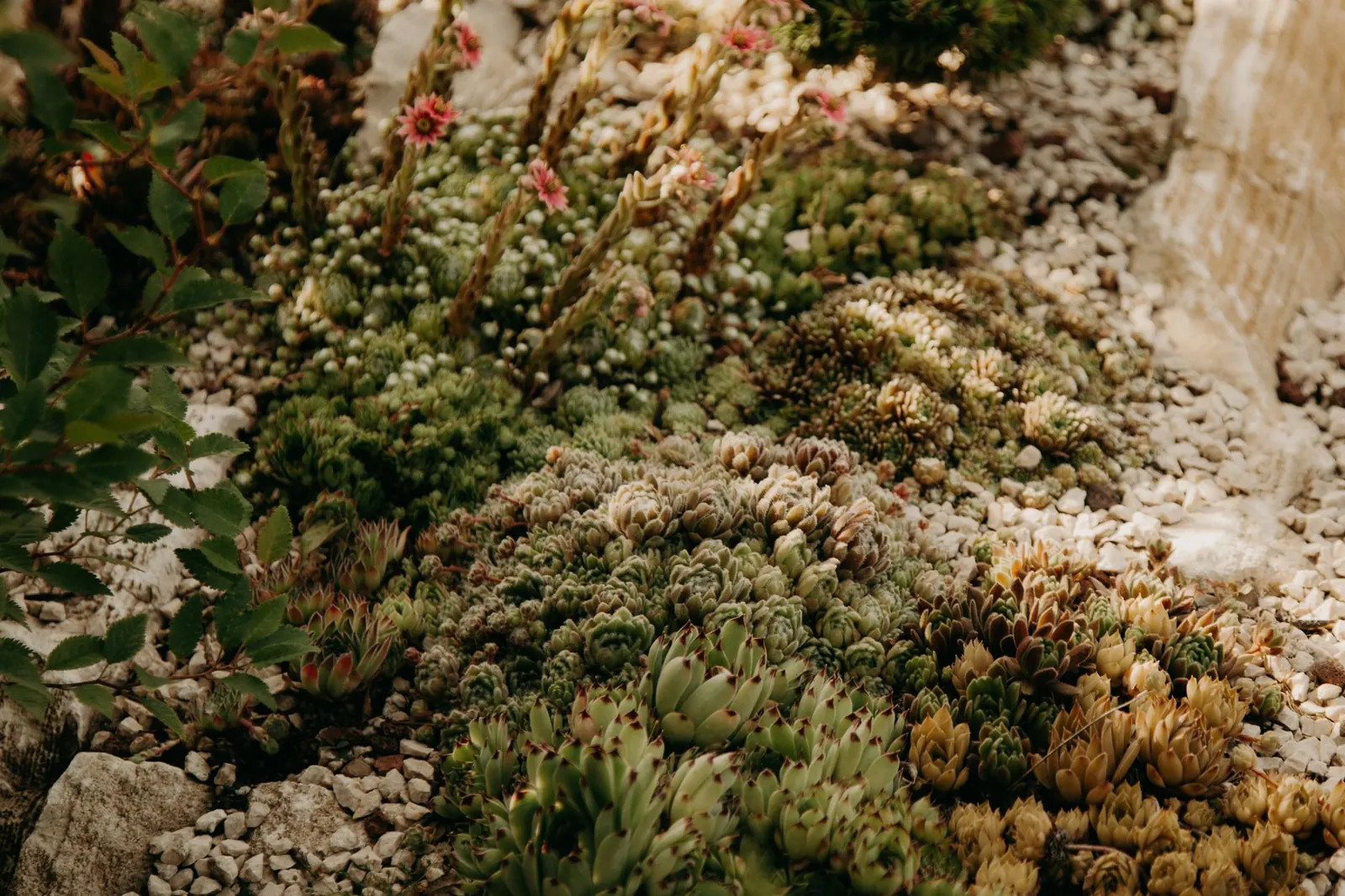
What xeriscaping means
The idea is to design and maintain a landscape so it needs little supplemental water beyond rainfall. EPA WaterSense notes that areas differ in their ability to support plants without supplemental water and fertilizers, and that choosing plants listed as low water use or drought tolerant for your area helps them survive with minimal extra watering.
Principle 1: Plan and design
Map sun, shade, slopes and where water flows. Plan areas of high, medium and low water use. The most water-demanding plants should be where you will enjoy them most and where water is easy to deliver. See Landscape Design Basics for Homeowners.
Principle 2: Choose appropriate plants
Start with your USDA hardiness zone and choose plants suited to your region’s rainfall and heat. WaterSense’s What to Plant page links to state and regional plant lists. Native plants are often a good fit; see Native Plants for Your Yard: Why They Help and How to Choose Them.
Principle 3: Group plants by water needs
Putting plants with similar needs together lets you water each zone appropriately. Mixing thirsty and drought-tolerant plants in the same bed forces you to overwater some to keep others alive.
Principle 4: Improve soil
Healthy soil holds water better. Adding organic matter to sandy soil helps it retain moisture; in clay soil it helps drainage. A soil test from your cooperative extension service shows what the soil needs.
Principle 5: Use mulch
Mulch reduces evaporation, moderates soil temperature and suppresses weeds. Organic mulches also improve soil as they break down. See Mulching Done Right: Depth, Materials and the Volcano Mistake.
Principle 6: Water efficiently
Drip irrigation delivers water to the root zone with little waste. A WaterSense labeled irrigation controller adjusts schedules using weather or soil moisture data. See Drip vs Sprinkler Irrigation: Choosing a System for Your Yard.
Principle 7: Right-size the lawn
Keep lawn where you use it and replace the rest with lower-water planting. See Lawn Alternatives: Groundcovers, Meadows and Planting Beds.
Principles at a glance
| Principle | What it looks like |
|---|---|
| Plan | Water-use zones on a map |
| Plants | Regional, low-water choices |
| Grouping | Similar needs together |
| Soil | Organic matter, soil test |
| Mulch | A layer over bare soil |
| Irrigation | Drip and smart controllers |
| Lawn | Only where it is used |
It does not have to look dry
In wetter regions, water-wise landscaping can look green and full; it simply relies on rainfall and plants suited to it. In arid regions, it may use more gravel and drought-adapted plants. The principles are the same; the plant list changes.
Tip: Divide your yard map into three colors, for high, medium and low water use. Keep the high-water zone small and close to where you sit and look out.
Establishment still needs water
Even drought-tolerant plants need regular watering in the first season while roots establish. After that, watering can often be reduced gradually.
Which approach fits
If you are starting from scratch, apply all the principles in the design. If you have an existing yard, start with mulch, irrigation fixes and one bed converted to low-water plants. In regions with watering restrictions, reducing lawn often makes the largest difference.
Maintenance in a water-wise yard
Water-wise yards still need care, but the tasks change. Weeding and mulch renewal replace much of the mowing. Irrigation needs seasonal checks. Some plants need cutting back once a year. Over time, as plants fill in and shade the soil, weeding usually becomes easier. Keep an eye on plants in the wrong zone: a plant wilting in a low-water bed may need moving rather than more water for the whole bed.
Hardscape and permeable surfaces
Paths, patios and driveways shed water. Where possible, choose permeable materials such as gravel, permeable pavers or stepping stones set in planting, so rain soaks in rather than running off. Direct runoff from roofs and paving toward planted areas or a rain garden.
Common mistakes
- Assuming xeriscaping means gravel only.
- Mixing water needs in one bed.
- Skipping establishment watering.
- Leaving bare soil exposed.
Frequently asked questions
Is xeriscaping only for deserts?
No. The principles apply in any region, with plants suited to local rainfall.
Do drought-tolerant plants need watering?
Yes, while establishing. Afterwards many need little supplemental water.
Where can I find low-water plants?
EPA WaterSense’s What to Plant page links to state and regional lists.
Also see Rain Gardens for Homeowners: Turning Runoff Into a Garden.