
Landscaping guides for homeowners
Hire the Right Landscaper and Choose the Right Yard
How to find and vet a landscaper, compare estimates, and pick plants, lawn, patios and trees that suit your property.
Topics
Guides for Every Part of the Yard
A good yard starts with two decisions: who does the work and what goes in the ground. Before hiring, the federal consumer protection advice on home improvement contractors is worth reading, because the same checks apply to landscapers as to builders.
Then match plants to your conditions. Your hardiness zone, sun, soil and water all shape what will thrive, and local extension offices and water-saving programs publish plant lists for your region. Our guides cover each step, from the first estimate to the first tree.
Start here
What to Know Before You Change Your Yard
Landscaping money is easy to spend and hard to get back. Here is the short version of how to spend it well.
Define the job
Decide what you want before you call anyone: a new design, planting, a patio, a lawn renovation, regular maintenance or tree work. Each is a different kind of company, and a clear scope makes estimates comparable.
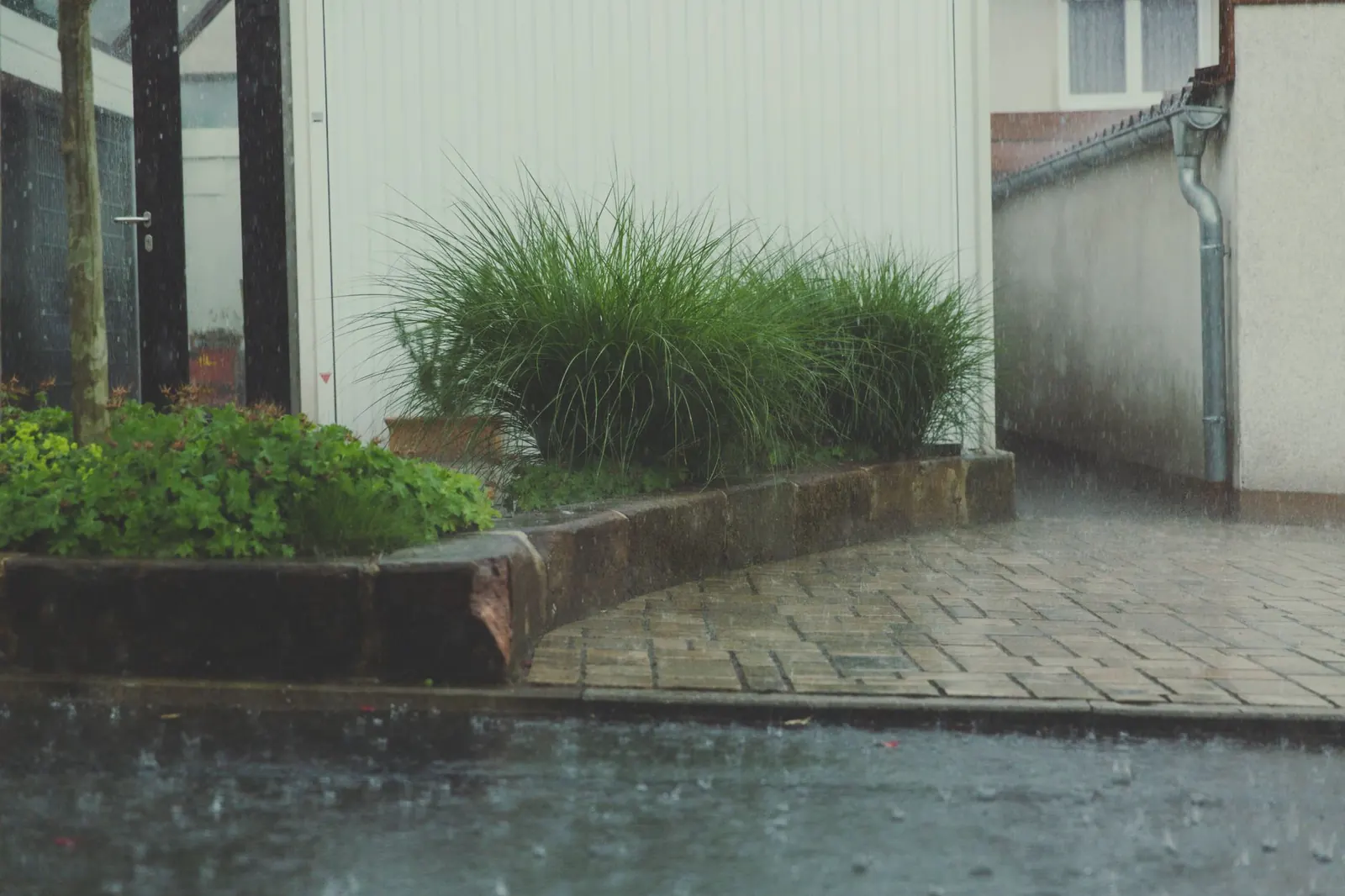
Walk the yard in heavy rain and note where water goes. Drainage shapes almost every later decision.
Vet the landscaper
The FTC advises considering only licensed and insured contractors, confirming licenses with your state or county and asking for proof of insurance. Get recommendations from people you trust, check for complaints and read reviews critically.
Be wary of door-to-door offers, pressure to decide on the spot, requests for cash or full payment up front, and contractors who ask you to get their permits.
Compare estimates and sign carefully
Get several written estimates that describe the work, materials, completion date and price. Compare them line by line: plant sizes, soil preparation, drainage, base depth under paving and cleanup.
Ask for a written contract even if your state does not require one, with the contractor’s license number, dates and every promise you discussed. Do not pay the full amount up front, and make the final payment only when the work is done.
Choose plants for your conditions
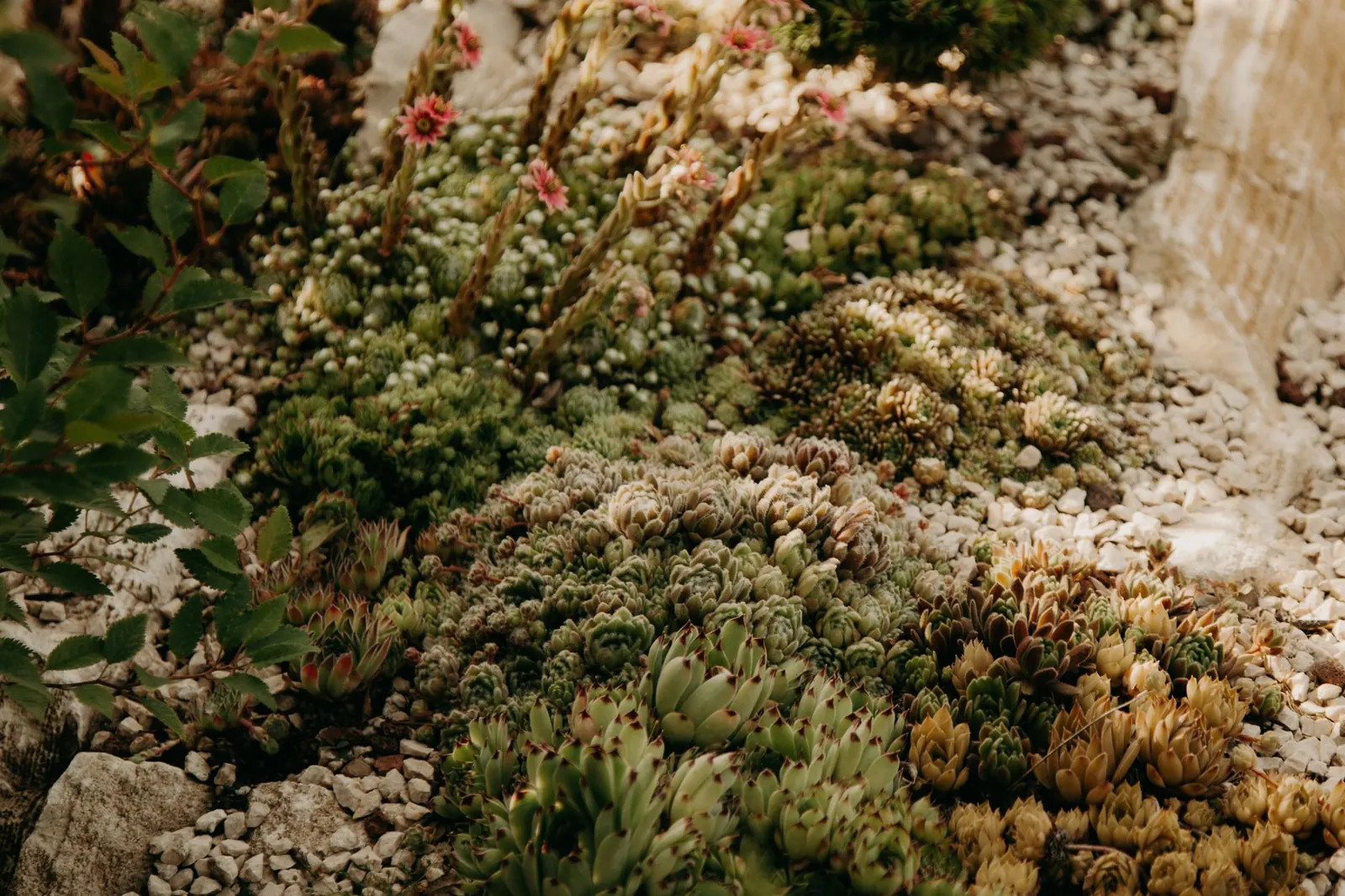
Start with your USDA plant hardiness zone, based on the average coldest winter temperature, then match plants to sun, soil and water. Group plants with similar water needs so each bed can be watered properly.
Native plants are often well suited to local conditions and wildlife. Plan for mature size, especially for trees near the house and power lines.
Dig safely and water wisely
Contact 811 a few business days before any digging, even for a shrub, and wait for all utilities to mark their lines. Lines you installed yourself, such as lighting cable, may not be marked.
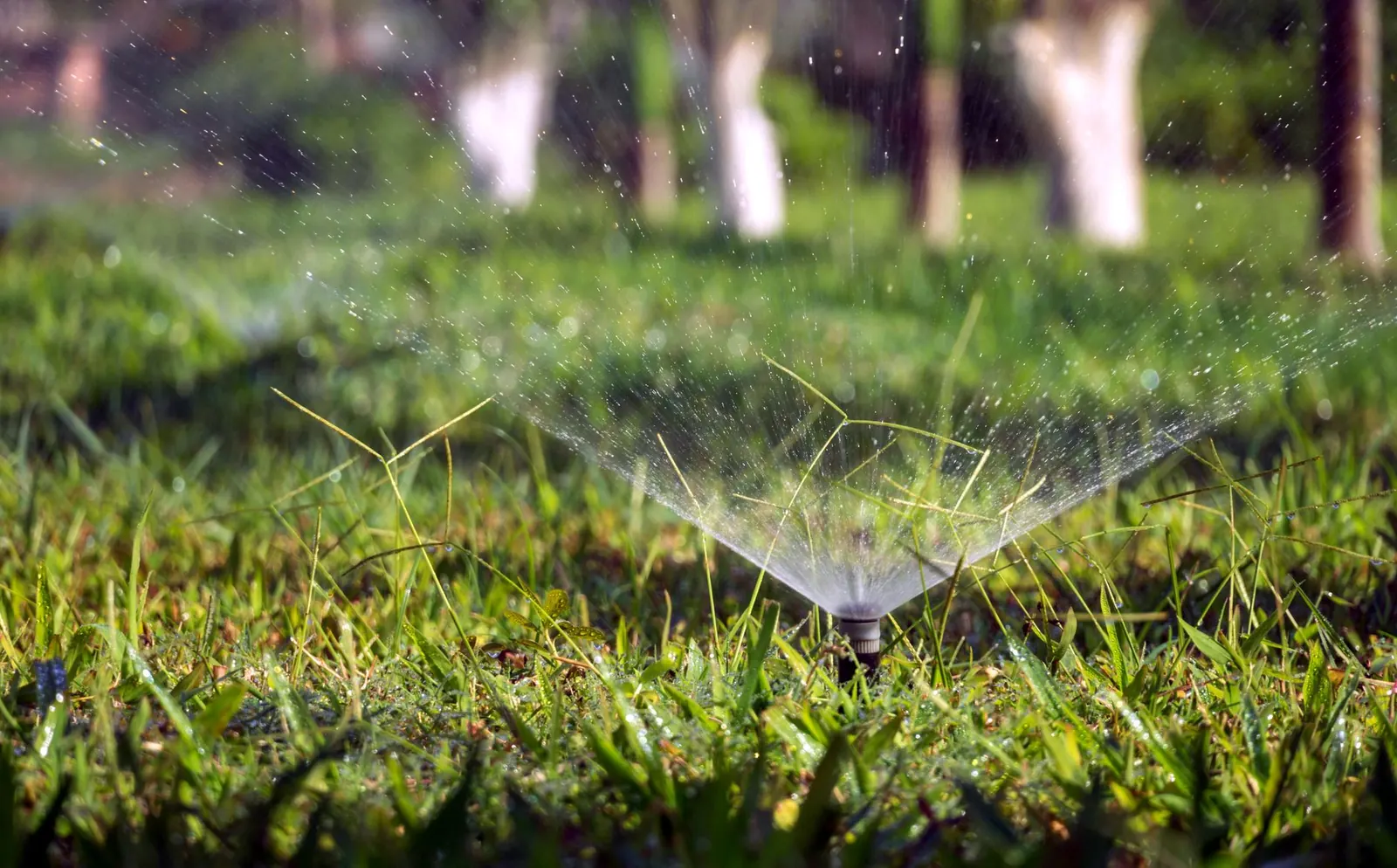
Water in the morning rather than midday, deeply and less often, and let a smart controller adjust for rain. Mulch two to three inches deep, kept off trunks and stems.
How it works
Three Steps to a Yard That Works
01
Plan for your conditions
Map sun, soil, slopes and water flow, then decide how you will use each part of the yard.
02
Vet and compare
Check license and insurance, and compare written estimates line by line, not by the total.
03
Plant and maintain well
Right plant, right place, planted at the right depth, mulched and watered wisely.
Latest guides
Recent Landscaping Guides
FAQ
Questions Homeowners Ask About Landscaping
Short answers. Each guide goes into more detail.
What does Landscaping Scene cover?
Hiring and vetting landscapers, and choosing plants, lawns, water-smart features, patios and trees for your property.
How many estimates should I get?
Several. The FTC advises getting multiple written estimates and not automatically choosing the lowest bid.
Do landscapers need a license?
It depends on your state and the type of work. Check with your state or county licensing office.
How much should I pay up front?
Not the full amount. Some states limit down payments; your state or local consumer agency can tell you the rule.
Do I really need to call 811 to plant a shrub?
Yes. The 811 system says any digging requires a locate request, since some lines are buried only inches deep.
How do I find my hardiness zone?
Enter your ZIP code on the USDA Plant Hardiness Zone Map website.
When should I hire an arborist?
For pruning or removing large trees, storm damage and any tree work near buildings or lines.
Do you recommend specific companies?
No. We explain how to vet and compare landscapers and do not rank companies.
Plan the Yard, Then Hire With Confidence
Start with your conditions and your goals. The hiring guides take you from the first call to a signed contract.