
A rain barrel is one of the simplest ways to use rainwater in the garden. It sits under a downspout and stores roof runoff for watering later. EPA notes that rain barrels reduce the amount of water that flows from your property and provide free water for the landscape. This guide covers how they work, what to consider and how to set one up.
Key takeaways
- A rain barrel stores roof runoff for later use on lawns and gardens.
- Roof water can pick up bacteria and chemicals, which matters for edible plants.
- Check your state and local rules; rainwater collection is regulated in some places.
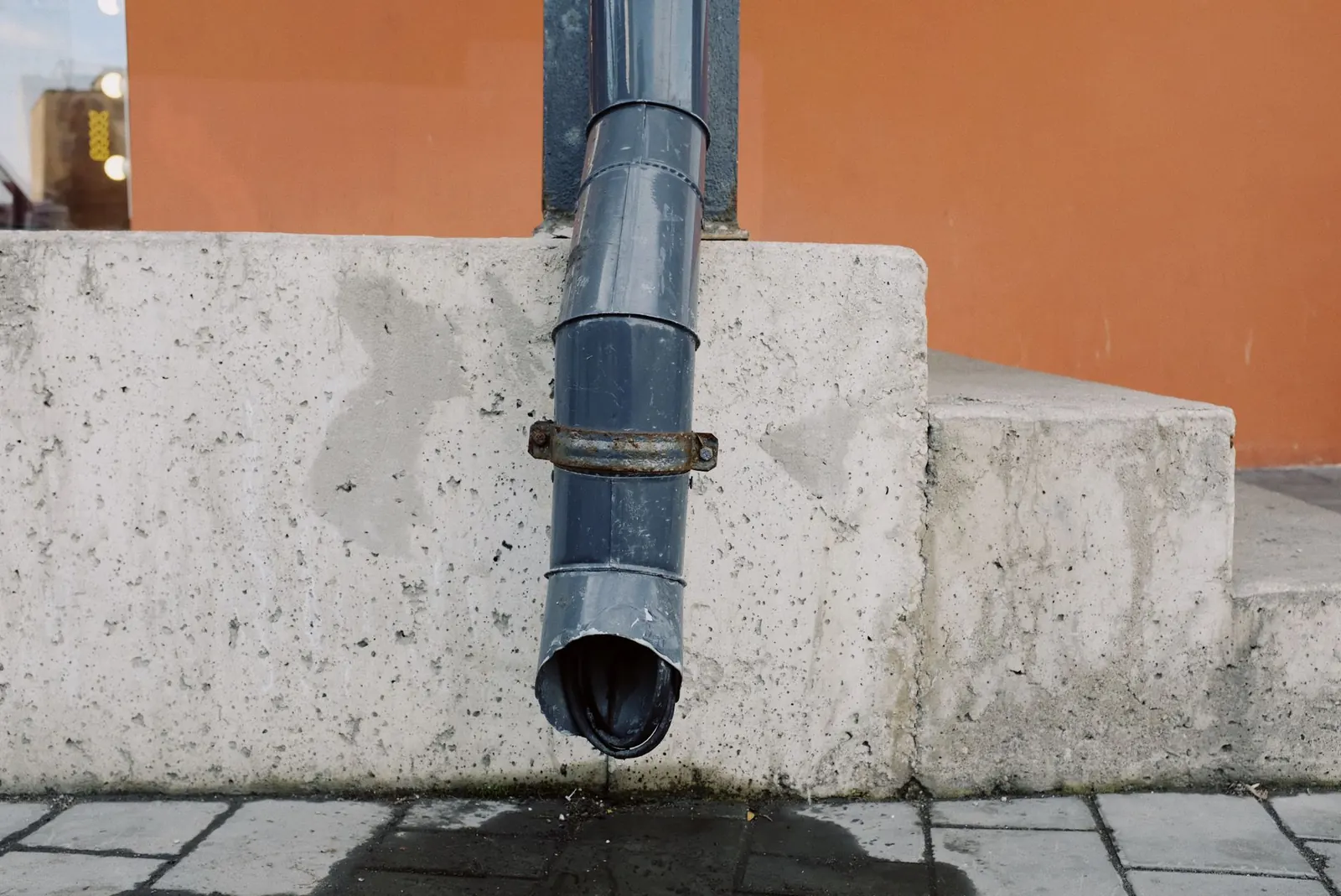
How rain barrels work
A rain barrel collects water from a downspout, usually with a screened opening or diverter. A spigot near the bottom lets you fill a watering can or connect a hose. An overflow outlet sends excess water away when the barrel is full. Larger systems called cisterns hold more water above or below ground.
Benefits
According to EPA, collecting roof runoff in rain barrels reduces the amount of water that flows from your property and gives you free water for your landscape. It also slows runoff during storms. Many cities and towns distribute rain barrels to residents through annual sales.
Water quality
EPA notes that as rainwater flows over a roof, it can pick up pollutants such as bacteria from birds and animals and chemicals from roofing materials. Consider this before using barrel water on vegetables and herbs. Many gardeners use rain barrel water on ornamental plants and apply it to the soil rather than to edible leaves.
Rules
Rainwater collection is encouraged in many places but regulated in some states and localities, especially where water rights are strictly allocated. Check your state and local rules before installing a system, particularly a large one.
Setting one up
- Place the barrel on a stable, level base, since a full barrel is very heavy.
- Raise it on blocks for better water pressure and easier access to the spigot.
- Use a screened lid to keep out debris and mosquitoes.
- Direct the overflow away from the foundation, ideally to a planted area or rain garden.
- Use a diverter or cut the downspout to fit.
Rain barrel checklist
| Item | Why it matters |
|---|---|
| Level base | Full barrels are heavy |
| Screen | Keeps out debris and mosquitoes |
| Overflow | Sends excess water away from the house |
| Spigot height | Easier filling and hose use |
| Winter plan | Freezing can crack barrels and fittings |
Winter care
In cold climates, empty and disconnect rain barrels before freezing weather, or use a diverter that lets water bypass the barrel in winter. Store the barrel upside down or indoors to prevent damage.
Tip: Connect a soaker hose to the barrel’s spigot and lay it through a nearby bed. With the barrel raised on blocks, gravity delivers slow, deep watering without a pump.
Mosquitoes
Standing water can breed mosquitoes. A fine screen on all openings and a tight lid help. Use the water regularly so it does not sit for long periods.
Which setup fits
A single barrel suits small gardens and container watering. Linking two or more barrels increases storage. For larger needs, a cistern or a rain garden that lets water soak in may be a better fit; see Rain Gardens for Homeowners: Turning Runoff Into a Garden.
How much a barrel collects
Even a modest roof sheds a lot of water in a single storm, so a barrel can fill quickly during heavy rain. That is why the overflow matters as much as the barrel itself. Many homeowners link barrels together or send the overflow to a planted area. Plan where the extra water goes before the first big storm rather than during it.
Using the water well
Rain barrel water is best used within a reasonable time on beds, shrubs and containers near the barrel. A watering can works for small gardens; a soaker hose or drip line works for larger beds. Water the soil at the base of plants rather than the leaves.
Common mistakes
- Placing a barrel on an uneven base.
- Leaving openings unscreened.
- Letting overflow run toward the foundation.
- Forgetting to drain it before freezing weather.
Frequently asked questions
Is rain barrel water safe for vegetables?
EPA notes roof water can carry bacteria and chemicals. Consider this for edible plants and apply water to the soil.
Are rain barrels legal everywhere?
Rules vary by state and locality. Check before installing.
How do I keep mosquitoes out?
Use fine screens and a tight lid, and use the water regularly.
For water-saving landscaping, see Water-Wise Landscaping: Xeriscaping Basics for Any Region.