
Small yards can be the most rewarding to design, because every decision is visible and every plant matters. They also punish mistakes: one oversized shrub or a poorly placed patio can dominate the space. This guide covers the principles that help small yards feel larger and work better.
Key takeaways
- Decide on one or two main uses and design around them.
- Choose plants with a compact mature size and interest in more than one season.
- Use vertical space, clear paths and a limited palette of materials.
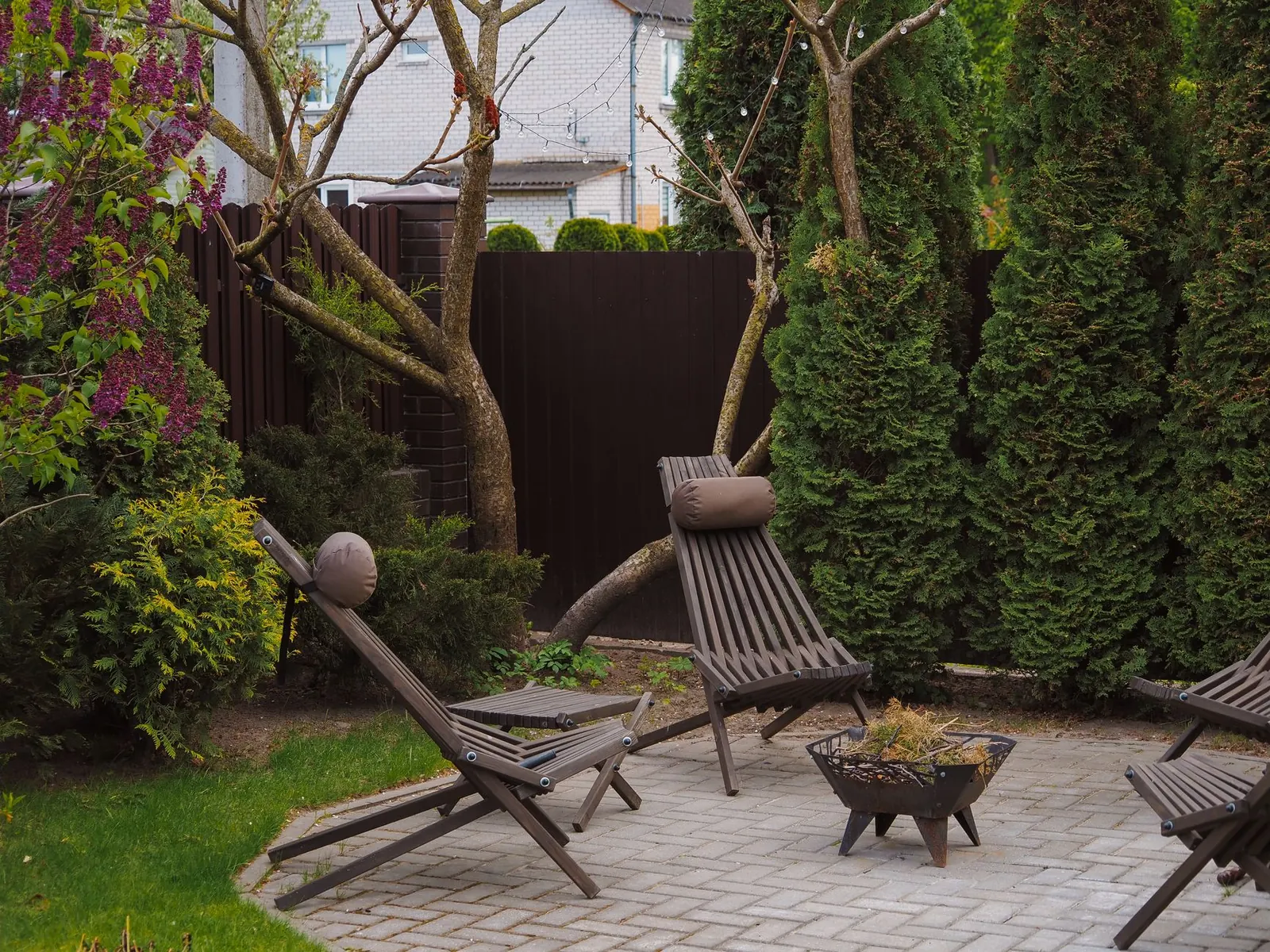
Pick the main use
In a small yard, trying to fit a dining area, a lawn, a vegetable garden and a play area usually means none of them works well. Choose one or two priorities. A small dining patio surrounded by planting, or a compact lawn for play with a narrow border, often works better than many small pieces.
Keep the layout simple
Clear, simple shapes make small spaces feel calm. A rectangle or circle of paving, a single curve of planting bed and one path usually look better than many small beds. Limit materials to two or three: one paving material, one edging and one mulch.
Choose plants carefully
Check mature size before buying. A plant that grows too wide will need constant cutting back. Look for compact varieties, plants with long seasons of interest such as good foliage, flowers and fall color, and plants suited to your sun and soil. Your USDA hardiness zone is the starting point; see USDA Plant Hardiness Zones Explained: Choosing Plants That Survive Your Winters.
Use vertical space
Walls and fences are growing space. Climbers on trellises, espaliered fruit trees and tall narrow shrubs add green without using much ground. Wall planters and hanging containers work well near seating areas.
Borrow views
If there is a tree or open view beyond the fence, frame it instead of hiding it. Screening only the parts you do not want to see keeps the yard from feeling boxed in.
Small yard ideas at a glance
| Goal | Approach |
|---|---|
| Feel larger | Simple shapes, few materials, clear paths |
| More green | Climbers, narrow shrubs, wall planters |
| Year-round interest | Evergreens plus plants with foliage and fall color |
| Privacy | Screens and tall grasses in key spots |
| Low maintenance | Compact plants, mulch, drip irrigation |
Lighting and evening use
Small yards are often used in the evening after work. Soft lighting along the path and near seating extends use and makes the space feel bigger at night. See Landscape Lighting Basics: Safety, Paths and Atmosphere.
Water and drainage
Small yards often have little room for water to soak in, especially with patios and walls. Make sure water drains away from the house. Permeable paving, gravel paths and planted areas help water soak into the ground.
Tip: Mark the outline of a planned patio or bed with a hose or string and live with it for a few days. It is the cheapest way to test whether the size feels right.
Containers
Containers add flexibility: you can move them to follow the sun or change them by season. Group a few larger containers rather than many small ones, which dry out quickly. Drip lines can water them automatically.
Which approach fits
If you entertain often, give most of the space to a comfortable seating area. If you garden, dedicate the sunniest part to beds. If you want low maintenance, choose paving, compact shrubs and mulch over a small lawn that needs frequent mowing.
Storage and utilities
Small yards still need somewhere for bins, tools, hoses and bikes. Plan a screened storage spot early so it does not end up in the middle of the view. Before digging for a patio, fence posts or trees, contact 811 to have underground utilities marked; small yards often have service lines running close to where you want to dig. See Call 811 Before You Dig: What Homeowners Need to Know.
Seasonal interest
With few plants, each one should earn its place across the year. Combine evergreen structure with plants that offer spring flowers, summer foliage and fall color. Bark, seed heads and grasses add winter interest.
Common mistakes
- Too many materials and small features.
- Plants that outgrow the space.
- A patio too small to fit a table and chairs.
- Forgetting where water will go.
Frequently asked questions
Should a small yard have a lawn?
Only if you will use it. A small lawn can be more work per square foot than planting beds.
How do I make a small yard feel bigger?
Use simple shapes, few materials, vertical planting and borrowed views.
What plants work in small yards?
Compact varieties with long seasons of interest, suited to your sun and zone.
For broader principles, see Landscape Design Basics for Homeowners.