
Watering is where many lawns go wrong. Too little and the grass goes dormant; too much and roots stay shallow, disease spreads and water runs off into the street. The EPA’s WaterSense program has practical advice for watering less and watering smarter. This guide explains it and how to apply it to your lawn and beds.
Key takeaways
- Avoid watering in the middle of the day, when the sun evaporates much of the water.
- WaterSense says a landscape typically needs about an inch of water a week, including rain, but it varies.
- Water deeply and less often, and stop when water starts to pool or run off.
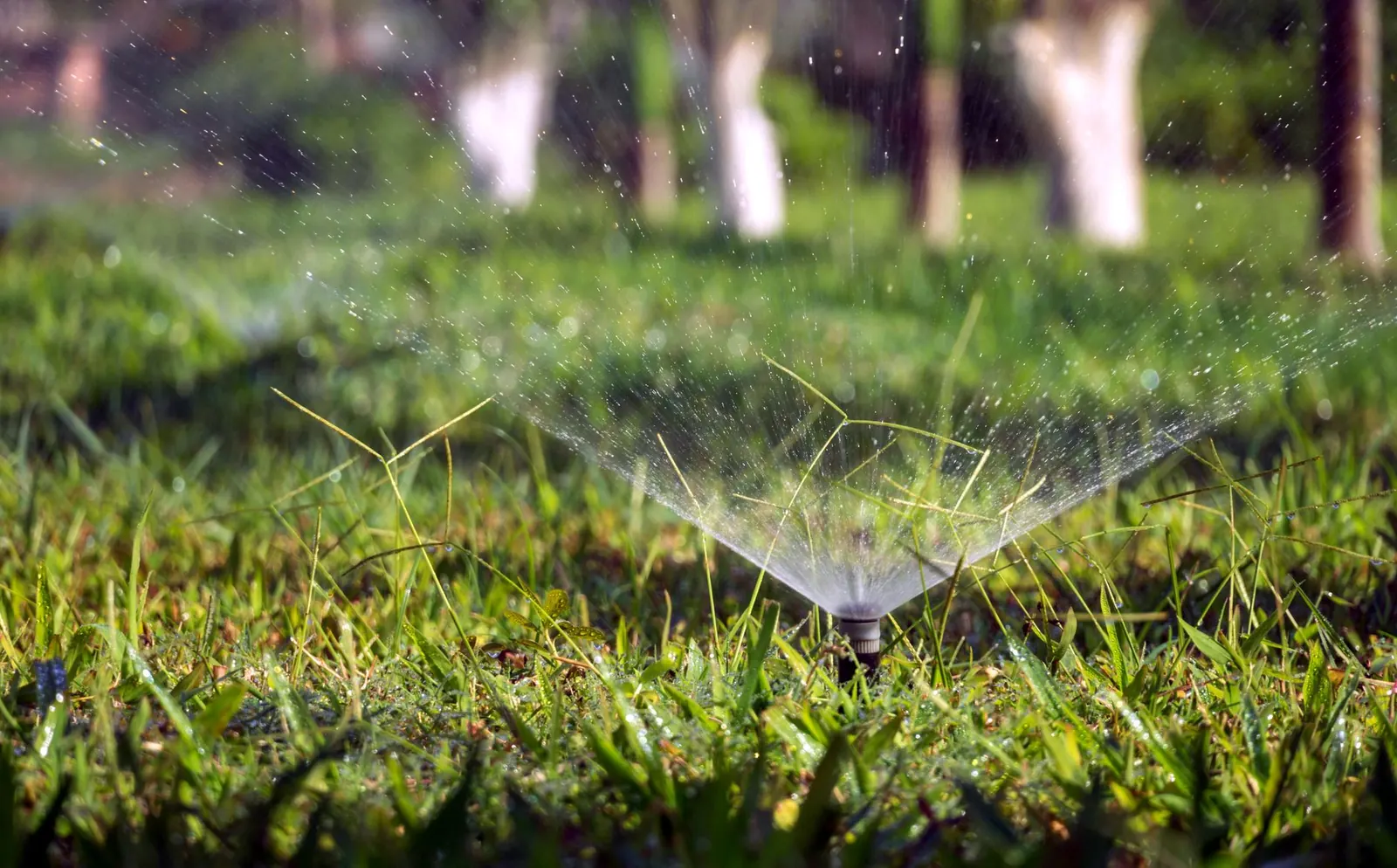
When to water
EPA WaterSense advises avoiding watering in the middle of the day, when hot sun evaporates much of the water before it reaches plants. Early morning is a common choice because temperatures are lower and wind is often calmer. Your local water utility may also set watering days or hours, especially in dry seasons.
How much water
According to WaterSense, a landscape typically needs about one inch of water a week, including rainfall. That can vary depending on where you live, recent weather and the plants in your landscape. Your cooperative extension service or local water utility can advise on local needs. Watering too often can drown plants or result in shallow roots.
How long to run the sprinkler
WaterSense suggests a simple test: place a few empty tuna cans around the lawn while watering and measure how long it takes to fill them with half an inch of water. Try watering that amount of time twice a week, watch how the lawn responds and adjust for the weather.
Cycle and soak
On clay soils and slopes, water can pool or run off if it is applied too quickly. WaterSense recommends splitting run times into shorter intervals with breaks in between, so water can soak in. If water begins to pool, turn off the sprinkler to prevent overwatering, disease and runoff that carries fertilizers and pesticides into local waterways.
Smart controllers
WaterSense labeled irrigation controllers use local weather data or soil moisture to adjust the watering schedule automatically. Replacing a standard clock timer with one can simplify scheduling and reduce overwatering. Some water utilities offer rebates; check with yours.
Watering basics at a glance
| Question | WaterSense guidance |
|---|---|
| When | Avoid midday; early morning is common |
| How much | About 1 inch a week including rain, varies |
| How long | Measure with the tuna can test |
| Runoff | Split into shorter cycles |
| Scheduling | Consider a WaterSense labeled controller |
Signs of too much or too little
Lawns that need water often show a bluish-gray tint, and footprints stay visible after you walk on the grass. Overwatered lawns may have soggy spots, mushrooms, disease and shallow roots. Adjust gradually and watch for a week or two.
Check the system
Broken or misdirected sprinkler heads waste water. WaterSense’s Sprinkler Spruce-Up advice is to inspect for broken heads and leaks, connect loose joints, direct sprinklers onto the landscape rather than driveways and sidewalks, and select a WaterSense labeled controller. See Drip vs Sprinkler Irrigation: Choosing a System for Your Yard.
Tip: Walk the yard while each irrigation zone runs at least once at the start of every season. Broken heads, tilted sprays and watered sidewalks are obvious in person and easy to miss from the house.
Lawns in drought
Many grasses can go dormant during drought and recover when rain returns. Follow local watering restrictions. If you water a dormant lawn occasionally, check local guidance on how much keeps crowns alive without breaking dormancy.
Which approach fits
For a hose-and-sprinkler lawn, the tuna can test and a morning routine go a long way. For an in-ground system, a seasonal inspection and a smart controller are worth considering. In dry regions, reducing lawn area may save more water than any schedule; see Lawn Alternatives: Groundcovers, Meadows and Planting Beds.
Beds, trees and shrubs
Planting beds usually need different watering from lawns. Shrubs and trees have deeper roots and benefit from slower, deeper watering less often, which is where drip irrigation and soaker hoses help. Newly planted trees and shrubs need regular watering through their first season. Group plants by water needs so each area gets what it needs without overwatering the rest.
Common mistakes
- Watering every day for a few minutes.
- Watering in the heat of the afternoon.
- Watering sidewalks and driveways.
- Ignoring rain when scheduling.
Frequently asked questions
How often should I water my lawn?
WaterSense suggests measuring output and watering about twice a week, adjusting for weather.
Is it bad to water at night?
Many sources favor early morning, when evaporation is lower and grass dries during the day. Check local advice.
Do smart controllers help?
WaterSense labeled controllers adjust schedules using weather or soil moisture data, which can reduce overwatering.
For choosing grass, see Choosing a Grass Type: Cool-Season vs Warm-Season Lawns.