
Trees and shrubs are the long-term structure of a landscape. They are also the plants most often chosen for how they look in the nursery rather than how they will fit in ten years. This guide covers how to choose woody plants that suit your space, climate and maintenance goals.
Key takeaways
- Check mature height and spread against the space, including power lines and buildings.
- Match the plant to your USDA hardiness zone, sun and soil.
- Avoid species listed as invasive in your state.
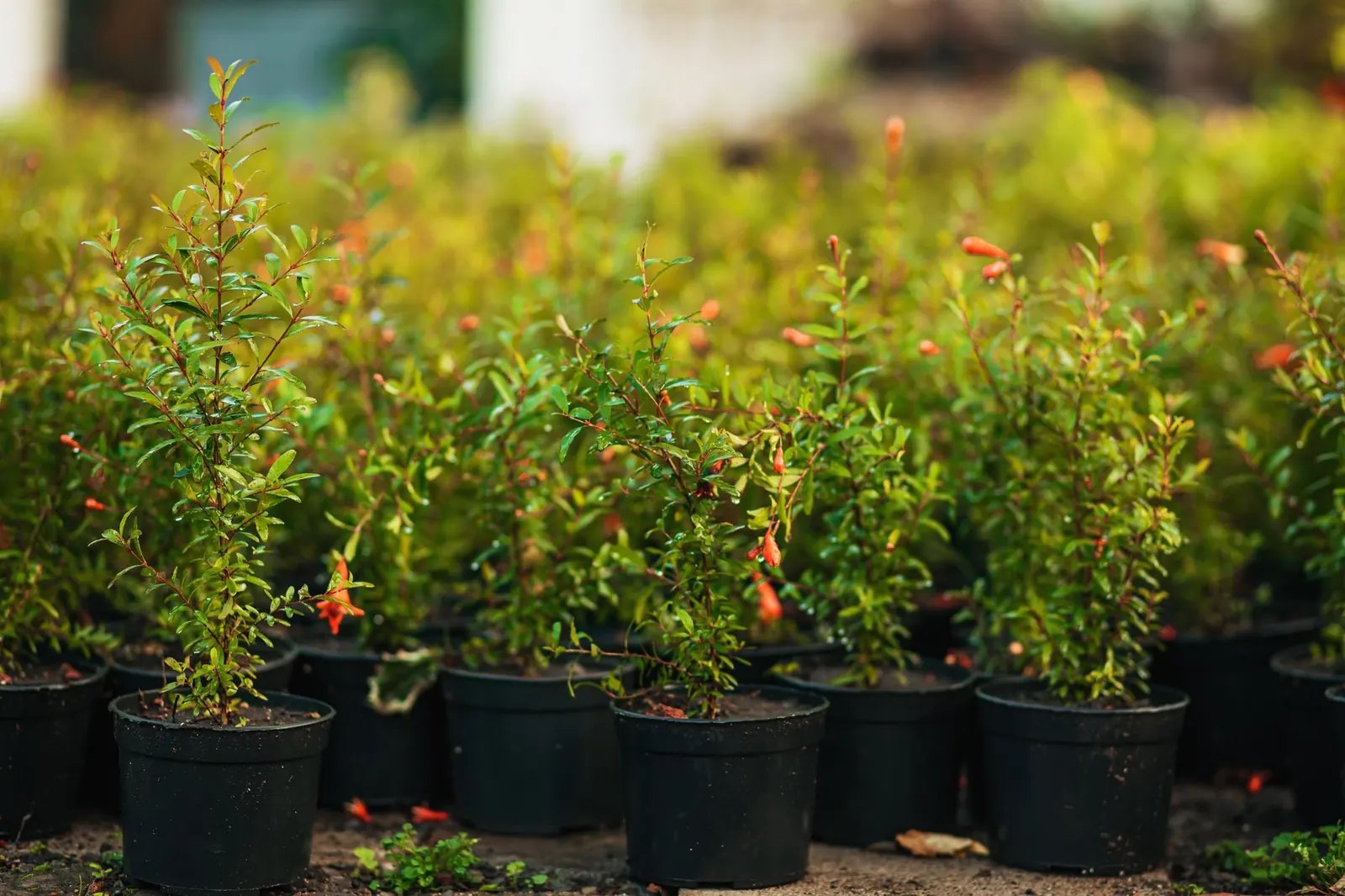
Right plant, right place
The idea is simple: choose plants whose needs match the site and whose mature size fits the space. A tree that will grow tall should not go under power lines; a wide shrub should not go against a path. Planning for mature size prevents years of pruning and eventual removal.
Mature size
Plant tags and reliable databases list mature height and spread. Measure the space, including distance to the house, driveways, fences, power lines and property lines. Leave room for roots too, especially near paving and foundations.
Climate and hardiness
Check that the plant is rated for your USDA hardiness zone; see USDA Plant Hardiness Zones Explained: Choosing Plants That Survive Your Winters. Consider heat and drought tolerance in hot regions, and wind exposure on open sites.
Sun, soil and water
Choose plants suited to your sun exposure, soil type and drainage. Some trees tolerate wet soil; others need good drainage. EPA WaterSense’s What to Plant page links to regional lists of plants suited to local conditions, including many native trees and shrubs.
Purpose
Decide what you want the plant to do: shade a patio, screen a view, provide fall color, flowers or food for birds, or anchor a bed. Evergreens provide year-round screening; deciduous trees provide summer shade and winter sun.
Planning at a glance
| Question | Why it matters |
|---|---|
| Mature height and spread | Avoids crowding and conflicts with lines and buildings |
| Hardiness zone | Winter survival |
| Sun and soil | Healthy growth |
| Purpose | Shade, screen, color, wildlife |
| Invasive status | Protects local natural areas |
Native trees and shrubs
Native woody plants often support more local insects and birds and may be better adapted to local conditions. See Native Plants for Your Yard: Why They Help and How to Choose Them. Avoid species listed as invasive by your state.
Diversity
Planting many of the same tree species means a single pest or disease can affect them all. Mixing species adds resilience and interest.
Tip: Look at mature examples of a tree or shrub in your neighborhood, a park or an arboretum before buying. Seeing the full-grown plant is the best test of whether it fits your space.
Buying quality plants
Look for plants with healthy leaves, a good structure and roots that are not circling tightly in the container. For trees, a single strong central leader is often desirable. Ask the nursery about their guarantees.
Getting advice
Cooperative extension services, local arboreta and ISA Certified Arborists can suggest species for your area and site. See Hiring a Certified Arborist: When You Need One and What to Check.
Which choice fits
For small yards, choose compact trees and shrubs. For shade, choose a tree with enough space to mature. For screening, consider a mix of evergreen shrubs rather than a single row of one species.
Shrubs for structure
Shrubs fill the middle layer of a landscape between trees and groundcovers. Mix evergreen and deciduous shrubs for structure through the year, and group them in threes or fives for a more natural look. Leave enough space between shrubs for their mature width, filling gaps with perennials or mulch in the early years rather than planting shrubs too close.
Maintenance expectations
Some trees drop large amounts of fruit, seed pods or leaves, which may be a nuisance near patios, pools or driveways. Some shrubs need annual pruning to stay tidy; others keep their shape with little attention. Ask about these traits before buying, especially for plants near outdoor living areas.
Common mistakes
- Ignoring mature size.
- Planting large trees under power lines.
- Choosing invasive species.
- Planting a single species everywhere.
Frequently asked questions
How far from the house should I plant a tree?
It depends on the tree’s mature size. Allow enough room for the canopy and roots to grow without reaching the house.
Are evergreen or deciduous trees better?
It depends on the purpose: evergreens for year-round screening, deciduous trees for summer shade and winter sun.
How do I know if a plant is invasive?
Check your state’s invasive plant list, often published by the agriculture or natural resources agency.
When should I plant trees and shrubs?
The ISA notes that fall after leaf drop and early spring before bud break are ideal for trees; the same cool seasons suit most shrubs.
Can I plant a tree near a sidewalk?
Choose a species whose roots and mature size suit the space, and leave room between trunk and paving. Local rules may govern street trees.
Ready to plant? Read How to Plant a Tree: Step by Step for a Healthy Start.