
A tree planted well can outlive the person who planted it; a tree planted too deep or in the wrong place may struggle for years and then fail. The International Society of Arboriculture publishes clear planting steps for homeowners. This guide follows them and adds what to think about before you dig.
Key takeaways
- The ISA recommends a hole two to three times wider than the root ball but only as deep as it.
- Keep the trunk flare visible and do not plant too deep.
- Mulch two to three inches deep, keeping mulch off the trunk.
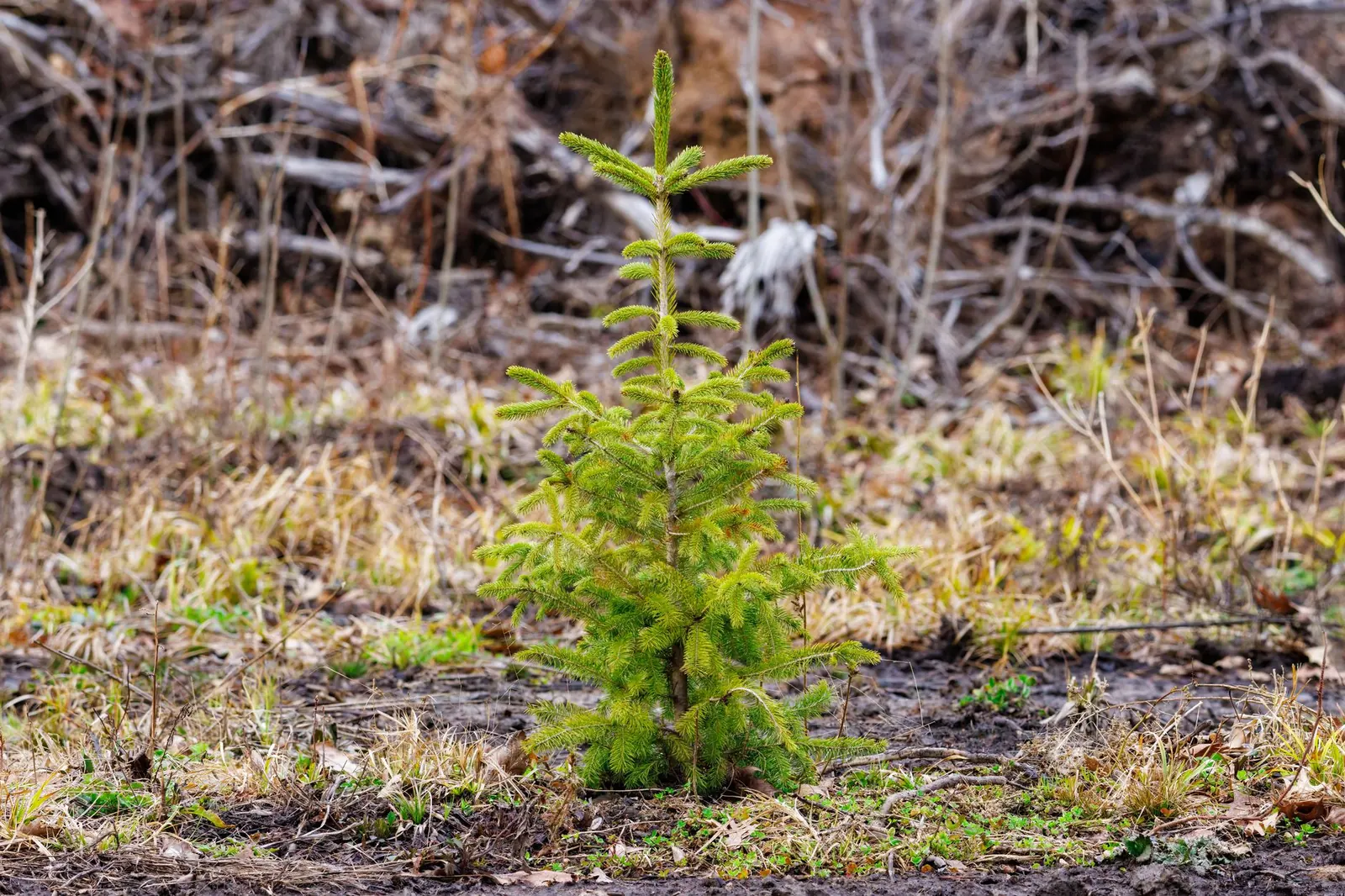
Choose the right place first
Before digging, consider the tree’s mature height and spread, overhead power lines, the house, driveways, and underground utilities. A large tree planted under wires or next to the foundation creates problems later. See Choosing Trees and Shrubs: Right Plant, Right Place and contact 811 before digging; see Call 811 Before You Dig: What Homeowners Need to Know.
When to plant
According to the ISA, dormant seasons are ideal: fall after leaf drop and early spring before bud break. Cool weather gives roots time to establish before summer heat. Healthy balled-and-burlapped or container trees can be planted throughout the growing season with care, and in tropical and subtropical climates any time can work if water is available.
The planting steps
The ISA describes these steps:
- Find the trunk flare, where the trunk widens at the base, and make sure it will be partly visible after planting. Remove excess soil from the top of the root ball if needed.
- Dig a shallow, broad hole two to three times wider than the root ball but only as deep as the root ball.
- Remove any wrapping from the root ball and trunk. Remove a wire basket or cut its top rings so it does not interfere with roots. Straighten, cut or remove circling roots.
- Place the tree at the proper height, lifting it by the root ball, not the trunk. Most roots grow in the top 12 inches of soil, so planting too deep can harm the tree.
- Straighten the tree, checking from several angles.
- Fill the hole gently but firmly, watering as you go to remove air pockets. Avoid fertilizing at planting time.
- Stake only if necessary, such as on windy sites, and remove stakes after the first year of growth.
- Mulch the base with two to three inches of mulch, leaving a mulch-free area of one to two inches around the trunk.
- Provide follow-up care, especially watering.
Planting at a glance
| Step | Key point |
|---|---|
| Hole | 2 to 3 times wider than the root ball, same depth |
| Depth | Trunk flare partly visible |
| Roots | Remove wrapping, fix circling roots |
| Backfill | Firm, water to remove air pockets |
| Staking | Only if needed, remove after a year |
| Mulch | 2 to 3 inches, off the trunk |
Watering after planting
New trees need regular watering while roots establish, especially in dry weather. Water the root ball and the surrounding soil deeply rather than lightly and often. Your cooperative extension service can suggest a schedule for your region.
Transplant shock
The ISA describes transplant shock as slowed growth and reduced vitality after planting. Careful handling, proper planting depth and good follow-up care help trees recover faster.
Tip: Before backfilling, lay a shovel handle across the hole. The trunk flare should sit at or slightly above the handle, not below it.
When to hire help
Large trees, balled-and-burlapped trees that are heavy to move, and plantings near structures or utilities are good jobs for professionals. Many ISA Certified Arborists plant trees and advise on species. See Hiring a Certified Arborist: When You Need One and What to Check.
Which tree size fits
Smaller trees are easier to plant, often establish faster and cost less. Larger trees give an instant effect but need more care during establishment. For most homeowners, a moderate size planted well is a good balance.
Protecting the young tree
Keep mowers and string trimmers away from the trunk; bark damage is a common cause of decline in young trees, and a ring of mulch keeps equipment at a distance. In areas with deer or rabbits, guards around the trunk may help. Avoid heavy pruning in the first year beyond removing broken or dead branches.
Common mistakes
- Planting too deep.
- Leaving wire baskets and wrapping in place.
- Piling mulch against the trunk.
- Fertilizing at planting time.
Frequently asked questions
How deep should I plant a tree?
Only as deep as the root ball, with the trunk flare partly visible, according to the ISA.
Should I stake a new tree?
Only if needed, such as on windy sites, and remove stakes after the first year.
When is the best time to plant a tree?
The ISA says fall after leaf drop and early spring before bud break are ideal.
For mulch details, see Mulching Done Right: Depth, Materials and the Volcano Mistake.